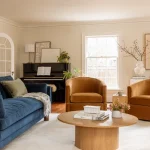
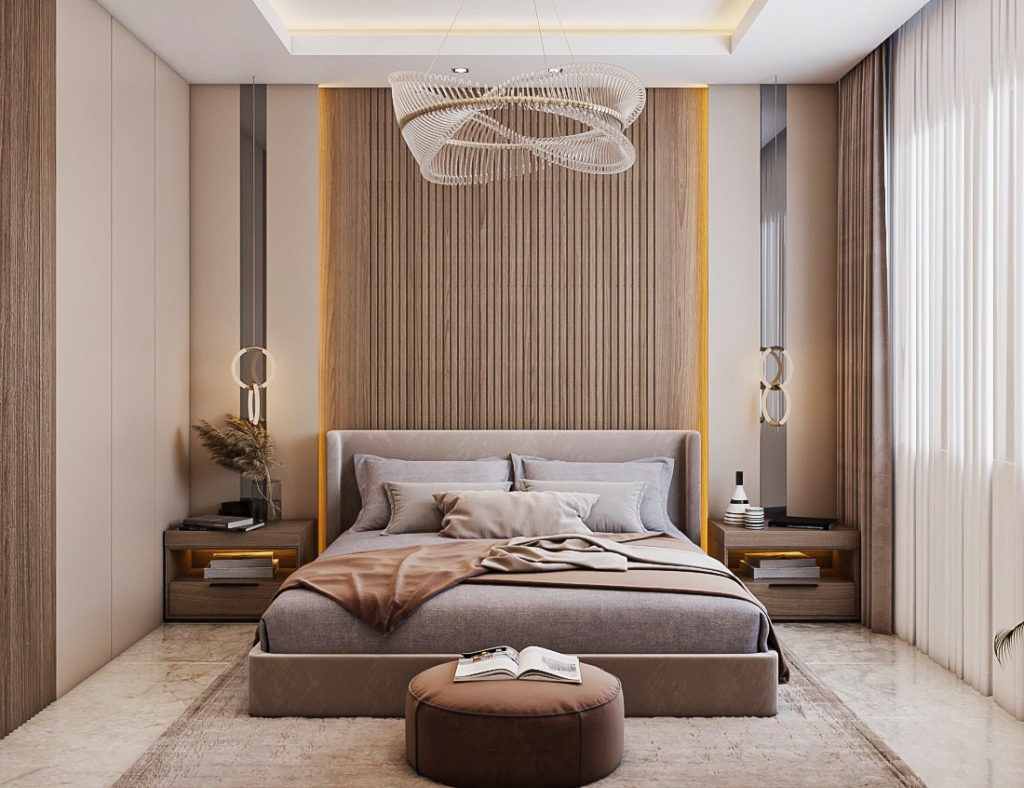

A beautiful living room isn’t just about color or furniture—it’s about how everything feels together. Texture is what brings depth, warmth, and personality into a space. Without it, even the most expensive setup can look flat and lifeless.
When we layer textures the right way, our living room starts to feel rich, cozy, and inviting without needing a full makeover.
Introduction
Think about walking into a room that looks perfect but somehow feels “off.” Most of the time, what’s missing is texture. It’s the mix of materials—soft, rough, smooth, natural—that creates a balanced and lived-in vibe.
The best part? We don’t need to buy everything new. We just need to combine what we already have in a smarter way.
What Does “Layering Textures” Really Mean?
Layering textures means mixing different materials and finishes to create visual and physical contrast.
Instead of everything looking the same, we combine
Soft fabrics with hard surfaces
Smooth finishes with rough elements
Light materials with heavier ones
This creates depth and makes the room feel more dynamic.
Start with a Neutral Base
Before we add layers, we need a solid base.
A neutral sofa, walls, or rug gives us flexibility. Colors like beige, white, gray, or cream make it easier to mix textures without clashing.
Once the base is simple, we can build on top of it without making the room feel messy.
Mix Soft and Cozy Elements
Soft textures are what make a living room feel comfortable.
We can add them through
Plush cushions
Throw blankets
Fabric sofas
Soft area rugs
The trick is to mix different types of fabrics. For example, pairing cotton with velvet or linen adds instant depth.
Add Rough and Natural Materials
To balance softness, we need something raw and natural.
Wood, stone, jute, and rattan bring an organic feel into the space. These textures ground the room and stop it from feeling overly polished.
A wooden coffee table, a woven basket, or a jute rug can make a huge difference.
Use Contrast to Create Interest
If everything feels the same, the room becomes boring.
We should aim for contrast
A smooth leather sofa with a chunky knit throw
A sleek glass table with a textured rug
Soft curtains against a rough brick wall
This mix keeps the eye moving and adds character.
Layer Your Rugs
Rugs are one of the easiest ways to add texture.
Instead of using just one, we can layer them. For example
A large neutral rug as the base
A smaller patterned or textured rug on top
This works especially well in modern and boho-style living rooms.
Don’t Forget Walls
Walls are often overlooked, but they’re a big opportunity for texture.
We can add texture through
Wall art
Wood panels
Textured paint
Fabric hangings
Even a gallery wall with different frame styles can create a layered effect.
Play with Different Fabrics
Using one type of fabric throughout the room can feel flat.
Instead, we can mix
Velvet for richness
Linen for a relaxed feel
Cotton for simplicity
Wool for warmth
This combination creates a balanced and cozy environment.
Add Metallic and Glossy Finishes
Not all textures have to be soft or rough. Shiny elements also play a role.
Metal, glass, and glossy surfaces reflect light and add contrast.
We can include them through
Lamps
Decor pieces
Side tables
Mirror frames
These touches keep the room from feeling too heavy.
Bring in Nature
Nature is full of texture, and adding it to our living room instantly makes the space feel alive.
Indoor plants, flowers, or even dried branches add softness and movement. They also break the monotony of man-made materials.
Use Curtains and Drapes
Curtains are more than just functional—they’re a key texture layer.
Light sheer curtains feel airy
Heavy drapes add drama and warmth
Choosing the right fabric can completely change the mood of the room.
Balance is Everything
Layering textures doesn’t mean adding everything at once.
Too many heavy textures can make the room feel crowded
Too many smooth surfaces can make it feel cold
We need a mix that feels natural and balanced.
Keep a Consistent Theme
While mixing textures, it’s important to stay within a certain style.
For example
Modern spaces use clean lines with subtle texture
Boho spaces embrace lots of layering and natural materials
Minimalist spaces focus on fewer but high-quality textures
This keeps the room cohesive.
Small Changes, Big Impact
We don’t have to redesign the whole room.
Even small updates can make a difference
Switching cushion covers
Adding a textured throw
Changing a rug
Introducing a wooden or woven element
These simple tweaks can transform the space quickly.
Common Mistakes to Avoid
Using too many similar textures makes the room dull
Over-layering can create clutter
Ignoring scale can make textures feel out of place
Forgetting comfort can make the space look good but feel bad
Keeping things intentional always works better.
Conclusion
Layering textures is one of the easiest ways to upgrade a living room without spending a lot. It adds depth, comfort, and personality in a way that colors alone can’t achieve.
By mixing soft and rough materials, playing with contrast, and keeping everything balanced, we can create a space that feels both stylish and welcoming.
At the end of the day, a well-layered living room isn’t just something we see—it’s something we feel the moment we walk in.
FAQs
What is the easiest way to add texture to a living room?
Start with cushions, throws, and rugs. These are simple, affordable, and easy to change.
Can I mix different textures in a small living room?
Yes, but keep the color palette simple to avoid making the space feel crowded.
How many textures should I use?
There’s no fixed number, but 3 to 5 different textures usually create a balanced look.
Are natural materials better for texture?
Natural materials like wood, jute, and cotton add warmth and are easy to combine with other elements.
Do textures matter in modern design?
Absolutely. Even modern spaces need texture to avoid looking too plain or cold.