
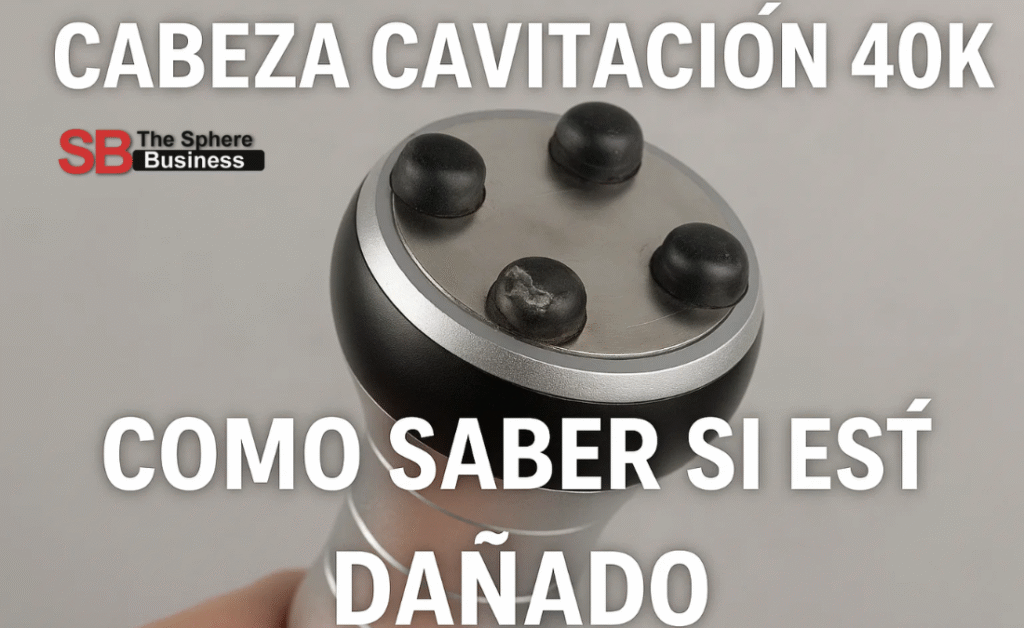

When it comes to beauty and body-slimming treatments, head cavitation 40K is one of the most common tools used in aesthetic centers and home-based beauty machines. However, over time and with regular use, these devices may show signs of wear and tear. Many users often ask: “Head cavitation 40K head como saber si está dañado?” — meaning “How do I know if my 40K cavitation head is damaged?”
In this article, we will discuss what a cavitation 40K head is, how it works, signs of damage, causes, maintenance tips, and how to properly check if it’s functioning correctly.
What Is a Head Cavitation 40K?
A head cavitation 40K (or 40KHz ultrasonic cavitation head) is the primary part of a ultrasonic fat reduction device. It uses low-frequency ultrasound waves at 40,000 Hz to target and break down fat cells under the skin. These waves create microscopic bubbles (cavitation) in the fat layer, which implode and help dissolve fat cells into liquid, later eliminated by the body’s lymphatic system.
This technology is non-invasive, painless, and widely used in slimming treatments, cellulite reduction, and body contouring. The “head” refers to the metal probe that comes in direct contact with the skin during treatment.
How the Head Cavitation 40K Works
To understand when something might go wrong, it’s essential to understand how the cavitation head works:
- Ultrasound Waves: The head emits low-frequency sound waves that penetrate the skin layers.
- Cavitation Effect: These waves create micro-bubbles in the fat layer, which collapse and destroy fat cell membranes.
- Fat Removal: The body naturally eliminates the released fat through metabolism and the lymphatic system.
- Tissue Tightening: Many 40K machines also stimulate collagen and elastin production, tightening the skin over time.
When functioning properly, users feel a slight buzzing sensation and sometimes hear a high-pitched sound (especially sensitive ears may pick this up). Any changes to these sensations may indicate that the head cavitation 40K head is damaged or malfunctioning.
Head Cavitation 40K Head Como Saber Si Está Dañado — The Key Question
So, how to know if the head cavitation 40K head is damaged? Let’s break down the main signs that can help you determine this.
Below are the most common symptoms of a damaged 40K cavitation head:
1. No Ultrasound Vibration or Buzzing
When you turn on your cavitation machine, the head should vibrate slightly or emit a faint buzzing sound. If the head remains completely still and silent, it might not be producing ultrasonic waves anymore.
This is one of the first and clearest signs that the head cavitation 40K head is damaged or disconnected internally.
2. No Audible Sound (High-Pitched Tone)
Usually, users can hear a subtle high-frequency tone during operation. If that sound disappears, it could mean the ultrasonic transducer inside the head has failed.
However, note that some users naturally cannot hear 40KHz frequencies — so the absence of sound alone isn’t always conclusive. It should be checked together with other symptoms.
3. The Head Overheats Too Quickly
During normal operation, the cavitation head should warm up slightly but never become hot within a few minutes. If it heats excessively, that’s a sign of internal electrical damage or short-circuiting in the transducer.
Overheating can also cause burns on the skin — so if this happens, stop using the device immediately.
4. Reduced or Uneven Results During Treatment
If you notice that your cavitation sessions suddenly feel less effective, or the results are inconsistent across body areas, this might mean the ultrasound waves aren’t being emitted properly.
A damaged 40K head will not generate enough cavitation bubbles to break down fat cells, leading to weak or no visible outcomes.
5. The Machine Displays Error Codes
Some advanced cavitation machines include digital displays that show error codes or warnings when the head malfunctions.
If your device screen shows a “head error,” “connection error,” or “output failure,” it’s a clear sign that the cavitation head or its internal wiring is damaged.
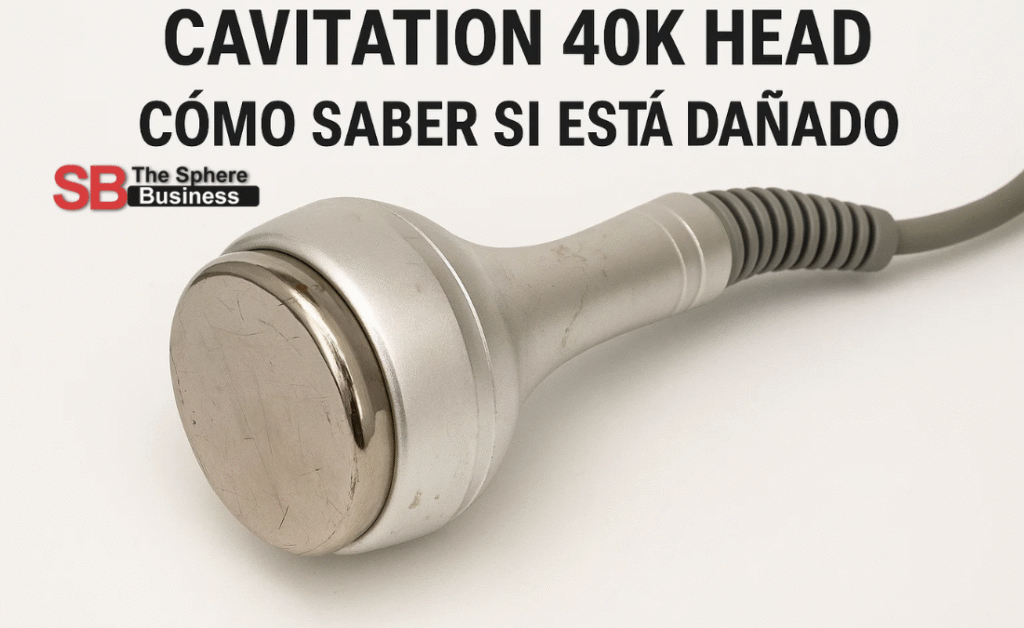
6. Cracks or Damage on the Metal Surface
Physically inspect the metal probe surface. If you find cracks, dents, or deep scratches, it may interfere with the ultrasound transmission and even cause skin irritation.
Visible damage almost always requires a replacement head, since the ultrasonic waves depend on perfect surface contact.
7. No Light Indicators (if Applicable)
Some 40K cavitation heads include LED indicators that light up during operation. If the lights no longer turn on, it could indicate electrical issues inside the head or connection problems with the main device.
Causes of Damage in a 40K Cavitation Head
Now that we know the symptoms, it’s important to understand what causes a head cavitation 40K head to become damaged. Proper usage and maintenance can help prevent most of these issues.
- Excessive Use Without Rest: Using the machine continuously for long sessions without cooling down can burn out the transducer.
- Moisture or Gel Infiltration: Using too much conductive gel or cleaning with water can cause moisture to seep inside the head.
- Physical Impact: Dropping or hitting the head can damage the delicate ultrasonic components.
- Improper Voltage: Plugging into unstable or incorrect power sources can burn internal circuits.
- Low-Quality Manufacturing: Some cheaper models have poor-quality soldering or wiring, making them prone to early failure.
How to Test If Your Cavitation Head Is Working Properly
If you suspect a problem but aren’t sure, here are a few simple testing methods to confirm whether your head cavitation 40K head is working or damaged.
Step 1: Check for Vibration or Buzzing
Turn on the machine and hold the head against your hand. If there’s no vibration or sound, it may not be producing ultrasonic waves.
Step 2: Use Water Test
Put a few drops of water on the metal surface of the head and power on the machine.
If it’s working correctly, you should see tiny ripples or bubbles forming immediately.
If there’s no movement, it means no ultrasound is being emitted — the head is likely damaged.
Step 3: Monitor Temperature
If the head becomes hot within 1–2 minutes, internal components might be shorting or malfunctioning.
Step 4: Visual Inspection
Check for any cracks, discoloration, or bent connector pins between the head and the main machine.
How to Maintain and Extend the Life of a 40K Cavitation Head
Proper care can significantly extend the life of your head cavitation 40K head. Here are some expert maintenance tips:
- Clean Gently After Every Use – Use a soft cloth with alcohol or disinfectant. Never submerge in water.
- Avoid Dropping or Knocking – The transducer inside is fragile.
- Use Only Recommended Conductive Gels – Avoid oils or thick creams that may block ultrasound transmission.
- Give Rest Periods – Allow at least 5–10 minutes of rest after every 20–30 minutes of operation.
- Store in a Dry, Safe Place – Moisture and dust can corrode connectors.
By following these precautions, you can keep your head cavitation 40K head working efficiently for years.
When to Replace the Cavitation Head
Even with good maintenance, cavitation heads eventually wear out.
If you notice two or more of the damage symptoms mentioned earlier (no vibration, overheating, no sound, poor results), it’s time to replace the head.
Replacement heads are widely available from beauty equipment suppliers. Always make sure the new head matches your machine model and connector type.
Professional Repair vs. Replacement
Some users try to repair the head themselves, but this is not recommended unless you are trained in electronic or ultrasonic repair.
It’s usually more cost-effective and safer to replace the head rather than open and fix it. Attempting DIY repairs could void warranties or cause electric hazards.
Conclusion
To sum up, the “Head cavitation 40K head como saber si está dañado” question is common among beauty professionals and home users. The answer lies in understanding the signs of malfunction — such as no vibration, overheating, lack of sound, poor results, or physical damage.
By performing simple tests like the water test or checking for sound and temperature changes, you can quickly confirm whether your 40K cavitation head is working properly.
Regular cleaning, correct use of conductive gel, and avoiding long continuous sessions are key to extending the life of your device. And when signs of failure appear, replacing the head is the safest and most effective solution.