

Introduction to Adenoidid
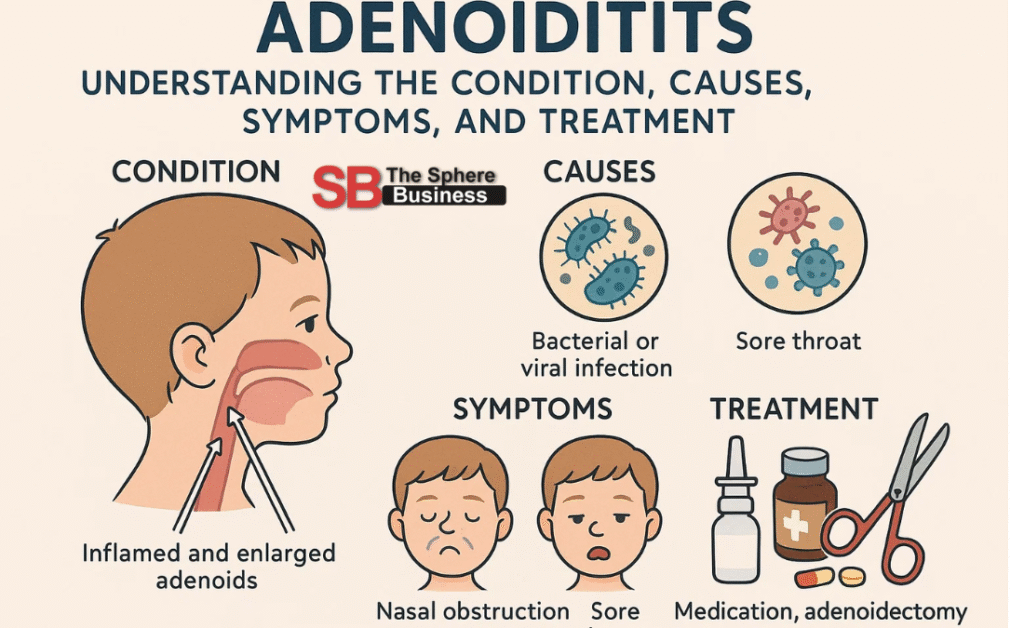
The term Adenoidid refers to a condition that affects the adenoids, which are small masses of tissue located at the back of the nasal passage. These glands play an essential role in the immune system, especially during childhood, by helping to trap and fight off bacteria and viruses that enter through the nose. When the adenoids become inflamed or infected, the condition is commonly known as Adenoidid.
Although the word Adenoidid might sound unfamiliar to some, it essentially describes inflammation of the adenoids, a condition that can cause various respiratory and throat-related issues. Understanding the symptoms, causes, and treatment options for Adenoidid is vital for maintaining good respiratory health—particularly for children, who are more susceptible to this condition.
What Is Adenoidid?
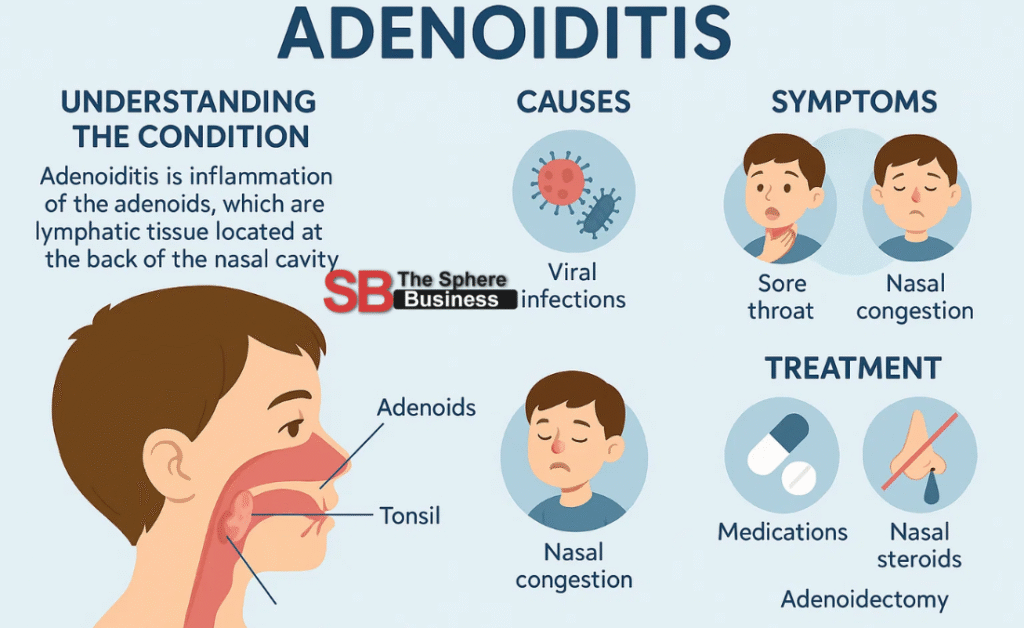
Adenoidid is the inflammation or infection of the adenoid tissue, which lies behind the soft palate, near where the nasal passages connect with the throat. The adenoids, along with the tonsils, form part of the body’s lymphatic system.
When bacteria or viruses infect the adenoids, they can swell and become enlarged. This inflammation can lead to breathing difficulties, snoring, nasal congestion, and ear problems. In some cases, Adenoidid can become chronic, leading to repeated infections that may require medical intervention.
While Adenoidid can occur at any age, it is most common among children between 3 and 7 years old. As a child grows, the adenoids naturally shrink, and the likelihood of developing Adenoidid decreases significantly.
Causes of Adenoidid
There are several potential causes of Adenoidid, ranging from viral infections to environmental factors. Understanding these causes is key to preventing and managing the condition effectively.
1. Viral Infections
Most cases of Adenoidid occur due to viruses such as adenoviruses, rhinoviruses, or respiratory syncytial virus (RSV). These viruses are common culprits behind colds and respiratory infections that can spread to the adenoids.
2. Bacterial Infections
Bacterial infections, particularly those caused by Streptococcus pyogenes, can lead to more severe forms of Adenoidid. In these cases, antibiotics may be required to eliminate the infection.
3. Allergies and Environmental Irritants
Prolonged exposure to dust, pollution, or allergens can also irritate the adenoids, causing them to swell. Children who live in urban environments or around cigarette smoke are more prone to chronic Adenoidid.
4. Recurrent Infections
Children who frequently suffer from colds, sinus infections, or ear infections may experience repeated inflammation of the adenoids, resulting in chronic Adenoidid.
Common Symptoms of Adenoidid
Recognizing the symptoms of Adenoidid early can help prevent complications and ensure timely treatment. The following are some of the most common signs:
- Nasal Congestion: A constant stuffy or blocked nose is one of the primary symptoms.
- Mouth Breathing: Swollen adenoids can make it difficult to breathe through the nose, forcing mouth breathing, especially during sleep.
- Snoring or Sleep Apnea: Adenoidid can cause loud snoring and even temporary pauses in breathing during sleep.
- Sore Throat and Dry Mouth: Due to mouth breathing, the throat may become dry and irritated.
- Ear Pain or Infections: Enlarged adenoids can block the Eustachian tubes, leading to fluid buildup and middle ear infections.
- Voice Changes: Some patients develop a nasal or muffled voice because airflow through the nasal passages is obstructed.
- Fatigue and Irritability: Poor sleep quality caused by Adenoidid can lead to tiredness, irritability, and difficulty concentrating.
Diagnosing Adenoidid
To diagnose Adenoidid, a healthcare professional will typically review symptoms and perform a physical examination. Because the adenoids are not easily visible through the mouth, additional diagnostic methods may be used, such as:
- Nasopharyngoscopy: A small, flexible camera is inserted through the nose to view the adenoids directly.
- X-rays or Imaging Scans: These can help determine the size and shape of the adenoids and any potential blockage.
- Throat Cultures: If a bacterial infection is suspected, a throat swab may be taken for laboratory analysis.
A proper diagnosis is essential for determining the best treatment plan and avoiding complications such as chronic sinusitis or hearing loss.
Treatment Options for Adenoidid
Treatment for Adenoidid depends on the severity of the condition and whether it is acute or chronic. Below are the most common treatment methods:
1. Home Remedies and Observation
Mild cases of Adenoidid often resolve on their own with rest, hydration, and over-the-counter medications to reduce fever and discomfort. Warm fluids, saline nasal sprays, and humidifiers can also help ease symptoms.
2. Medications
- Antibiotics: If a bacterial infection is the cause, antibiotics may be prescribed.
- Decongestants or Nasal Sprays: These can help relieve nasal congestion and swelling.
- Pain Relievers: Medications like acetaminophen or ibuprofen can reduce discomfort and fever associated with Adenoidid.
3. Surgical Treatment (Adenoidectomy)
In cases where Adenoidid is chronic or causes significant breathing or ear problems, surgical removal of the adenoids—called adenoidectomy—may be necessary. This procedure is common and generally safe, with most patients recovering within a few days.
Preventing Adenoidid
Although not all cases of Adenoidid can be prevented, there are several ways to lower the risk of developing the condition:
- Maintain Good Hygiene: Regular handwashing helps reduce the spread of bacteria and viruses.
- Avoid Exposure to Smoke and Pollutants: Limiting contact with cigarette smoke and polluted air can prevent irritation of the nasal passages.
- Healthy Diet: A balanced diet rich in vitamins and antioxidants can boost the immune system and help prevent infections that may lead to Adenoidid.
- Treat Allergies Promptly: Managing seasonal or environmental allergies can reduce nasal inflammation.
- Regular Checkups: Routine visits to a pediatrician or ENT specialist can detect early signs of Adenoidid and prevent complications.
Complications of Untreated Adenoidid
If Adenoidid is left untreated, it can lead to several complications, particularly in children. These include:
- Chronic Ear Infections: Blocked Eustachian tubes can cause fluid buildup behind the eardrum.
- Sleep Disorders: Persistent breathing problems during sleep can cause sleep apnea.
- Speech or Developmental Issues: Chronic mouth breathing can affect speech development in young children.
- Sinusitis: Swelling of the adenoids can lead to recurring sinus infections.
These complications highlight the importance of recognizing and addressing Adenoidid early.
Recovery and Aftercare
Following treatment for Adenoidid, especially after an adenoidectomy, proper aftercare ensures a smooth recovery. Patients are advised to:
- Rest for several days after surgery.
- Stay hydrated with plenty of fluids.
- Eat soft foods that are easy to swallow.
- Avoid strenuous activities for a short period.
- Follow all post-surgical instructions from the healthcare provider.
Most children recover fully from Adenoidid-related issues, especially with timely medical attention and proper care.
Conclusion: Understanding and Managing Adenoidid
In conclusion, Adenoidid is a common but treatable condition that affects the adenoids—an essential part of the immune system in children. It can result from viral or bacterial infections, allergies, or environmental factors, leading to symptoms like nasal congestion, ear infections, and sleep problems.
With prompt diagnosis and appropriate treatment—ranging from medications to surgery—patients can recover fully and maintain healthy respiratory function. Awareness of Adenoidid helps parents, caregivers, and adults recognize early warning signs, seek medical care, and prevent long-term complications.
Ultimately, understanding Adenoidid is not just about treating a medical condition—it’s about ensuring clear breathing, better sleep, and a stronger immune system for a healthier future.