


Introduction to Zuschneidfelle
The term “Zuschneidfelle” originates from the German language, where “Zuschneiden” means “to cut” and “Felle” means “skins” or “pelts.” Together, the term Zuschneidfelle refers to cutting skins or hides — a practice deeply rooted in the leather and textile industries. Zuschneidfelle play an important role in the manufacturing of clothing, footwear, accessories, furniture, and industrial goods.
In this article, we’ll explore the definition, applications, materials, processes, and significance of Zuschneidfelle in today’s market. We’ll also look at how technology has influenced this traditional craft and why it continues to thrive in a world dominated by automation and synthetic alternatives.
The Meaning and Origin of Zuschneidfelle
The concept of Zuschneidfelle dates back to early human civilization, where hides and skins were essential for protection, warmth, and trade. The art of cutting and preparing animal skins developed into a skilled craft, often passed down through generations.
In modern terms, Zuschneidfelle are raw or semi-processed hides that have been cut or prepared according to specific shapes or dimensions for further use. These cuts can be for:
- Leather goods manufacturing
- Upholstery and furniture design
- Automotive interiors
- Garment and shoe production
- Industrial and craft applications
The origin of the word reflects its utilitarian purpose: preparing skins in precise shapes for efficient production, minimizing waste while ensuring consistent quality.
The Role of Zuschneidfelle in the Leather Industry
The leather industry relies heavily on Zuschneidfelle. After animal hides are tanned, they are categorized, measured, and then cut into specific forms. This is where Zuschneidfelle come into play.
In tanneries and workshops, professionals known as “Zuschneider” (cutters) use both traditional and automated methods to ensure each piece is cut accurately. The quality of Zuschneidfelle affects the final product’s:
- Durability: Proper cutting ensures even thickness and grain alignment.
- Aesthetic appeal: Correctly cut hides display uniform texture and color.
- Cost-efficiency: Reducing material waste saves manufacturers money.
Thus, Zuschneidfelle are not just about cutting hides—they represent precision, skill, and craftsmanship.
Different Types of Zuschneidfelle
Depending on the material and its intended use, Zuschneidfelle can be classified into various categories:
1. Natural Zuschneidfelle
These come from real animal hides such as cow, goat, sheep, deer, or exotic animals like crocodile or ostrich. Natural Zuschneidfelle are prized for their unique textures and durability.
2. Synthetic Zuschneidfelle
Made from polyurethane (PU) or polyvinyl chloride (PVC), these are artificial materials designed to imitate real leather. They are often used in vegan fashion and industries seeking eco-friendly alternatives.
3. Pre-tanned Zuschneidfelle
These are semi-processed hides that have been treated with tanning agents but are yet to be finished or dyed. They offer flexibility for custom applications.
4. Dyed Zuschneidfelle
These have undergone coloring processes to achieve specific shades for fashion, upholstery, or automotive use.
Each type serves a different purpose, and choosing the right Zuschneidfelle depends on the desired product quality, feel, and cost.
The Zuschneidfelle Cutting Process
The process of preparing Zuschneidfelle involves multiple stages, combining traditional handcrafting with modern technology.
1. Selection of Hides
The first step involves choosing high-quality hides free from major defects like scars, holes, or uneven grain.
2. Measuring and Grading
Hides are measured in square feet or meters and graded according to thickness, softness, and surface condition.
3. Marking and Cutting
Using patterns, templates, or digital CAD (Computer-Aided Design) systems, the hides are marked for cutting. Skilled craftsmen or automated cutting machines ensure minimal waste and precision cuts.
4. Shaving and Splitting
To achieve uniform thickness, Zuschneidfelle are shaved or split. This step is crucial for producing items like shoes or gloves where flexibility matters.
5. Finishing Touches
Finally, the cut skins may be dyed, embossed, or coated for additional protection or aesthetic appeal.
Modern Technology in Zuschneidfelle Production
The leather and textile industries have seen a technological revolution in recent years, and Zuschneidfelle are no exception. Traditional knife cutting and manual tracing are now complemented by laser cutting, water jet systems, and CNC machines.
These technologies bring numerous benefits:
- Precision: Advanced tools ensure accurate shapes and consistent quality.
- Efficiency: Automated systems increase output while reducing waste.
- Customization: Digital templates allow endless design possibilities.
- Sustainability: Optimized cutting patterns minimize material use.
Even with technology, however, skilled artisans remain crucial. Their expertise in evaluating texture, grain, and elasticity ensures that each Zuschneidfelle maintains its premium quality.
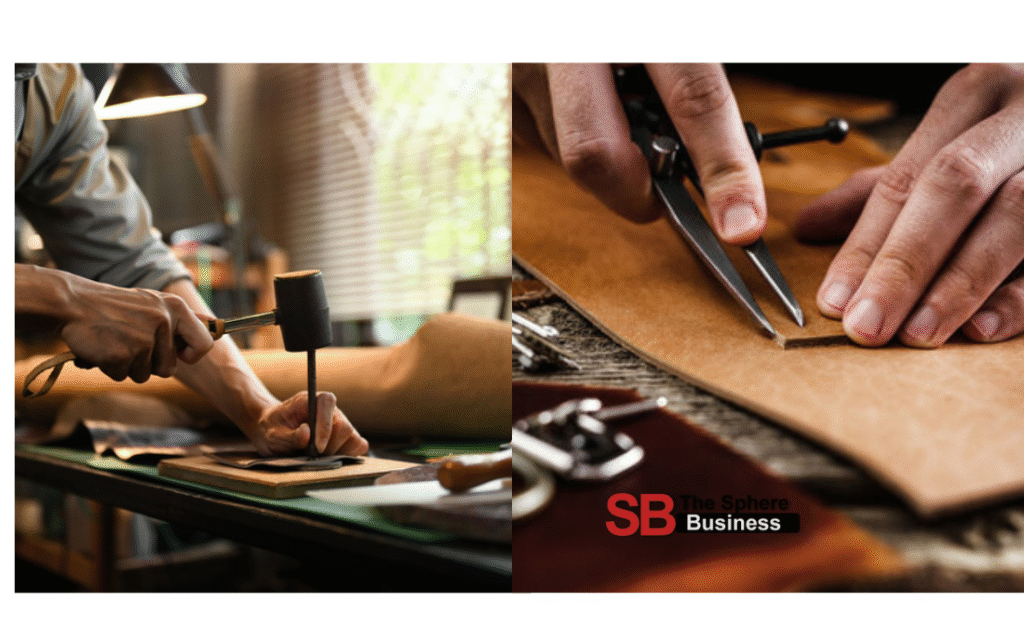
Applications of Zuschneidfelle
Zuschneidfelle are incredibly versatile and find applications across multiple industries:
1. Fashion and Apparel
From jackets and handbags to belts and wallets, Zuschneidfelle are the backbone of luxury fashion manufacturing. High-end brands rely on precision-cut skins to produce consistent and flawless pieces.
2. Footwear Industry
Shoemakers use Zuschneidfelle to craft uppers, linings, and soles. The flexibility and durability of properly cut hides ensure comfort and longevity.
3. Furniture and Upholstery
Cut leather panels are essential in making sofas, car seats, and office chairs. Zuschneidfelle allow for uniform texture and color matching across large surfaces.
4. Automotive Interiors
Luxury cars often feature fine Zuschneidfelle for seats, dashboards, and trims. Precision cutting ensures seamless installation and an elegant finish.
5. Crafts and DIY Projects
Artists and crafters use Zuschneidfelle for handmade accessories, book covers, and art pieces. The material’s natural beauty and durability make it ideal for creative projects.
Sustainability and Ethical Considerations
With growing awareness of environmental and ethical issues, the use of Zuschneidfelle has faced scrutiny. However, many manufacturers are adopting sustainable practices:
- Using by-products from the food industry instead of sourcing hides solely for leather.
- Eco-friendly tanning processes that minimize chemical waste.
- Recycling and reusing leather scraps and offcuts.
- Certifications like the Leather Working Group (LWG) that ensure responsible sourcing.
Moreover, the rise of vegan Zuschneidfelle provides an animal-free alternative without sacrificing quality or aesthetics. These plant-based or recycled materials reflect the evolving landscape of ethical craftsmanship.
The Future of Zuschneidfelle
The future of Zuschneidfelle is shaped by innovation, sustainability, and consumer demand. The blending of traditional techniques with modern technology will continue to enhance efficiency while preserving artisanal quality.
Emerging trends include:
- Smart materials: Leather integrated with sensors or responsive properties.
- Digital pattern optimization: AI-driven design tools that further reduce waste.
- Eco-friendly tanning agents: Natural alternatives like vegetable-based tannins.
- Customization at scale: Personalized Zuschneidfelle for luxury brands and consumers.
As the global demand for sustainable and high-quality products grows, Zuschneidfelle will remain a cornerstone of craftsmanship.
Conclusion: The Enduring Relevance of Zuschneidfelle
In conclusion, Zuschneidfelle embody the fusion of tradition and innovation in the world of leather and materials. What began as a simple act of cutting animal skins has evolved into a sophisticated process that combines artistry, technology, and environmental awareness.
From high-fashion ateliers to industrial production lines, Zuschneidfelle remain essential to quality manufacturing. Whether made from natural hides or sustainable alternatives, they represent craftsmanship, precision, and the enduring human pursuit of excellence in material creation.