

Introduction to Viltnemnda
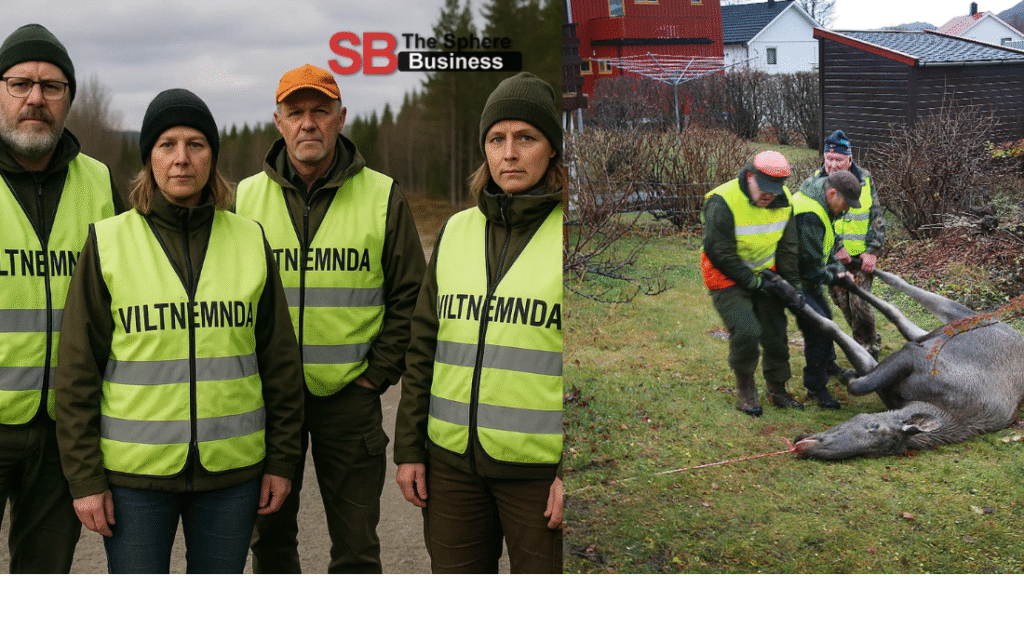
The term Viltnemnda is an important concept in Norway’s approach to wildlife conservation and local governance. It refers to the municipal wildlife board that oversees the management of wild animals, ensures sustainable hunting practices, and balances ecological needs with human activities. By understanding Viltnemnda, one can better appreciate how Norway has built a system that values both tradition and sustainability in wildlife management.
This article explores the history, structure, functions, and importance of Viltnemnda in detail.
The History and Origin of Viltnemnda
The roots of Viltnemnda can be traced back to Norway’s Wildlife Act (Viltloven), which emphasized that wildlife belongs to the community and should be preserved for future generations. To ensure that this philosophy was applied locally, the government introduced municipal wildlife boards, known as Viltnemnda, across the country.
The idea was simple but powerful: allow municipalities to take responsibility for local wildlife management while following national guidelines. This system made local communities active participants in protecting wildlife rather than passive observers.
The Role of Viltnemnda in Norwegian Society
The primary responsibility of Viltnemnda is to oversee wildlife populations and ensure that they are managed sustainably. This involves tasks such as:
- Setting annual hunting quotas for species like moose, deer, and reindeer.
- Monitoring population numbers to prevent overhunting.
- Implementing strategies to reduce traffic accidents caused by wild animals.
- Supporting farmers and landowners in resolving conflicts with wildlife.
Through these activities, Viltnemnda balances the interests of hunters, landowners, conservationists, and the general public.
Viltnemnda and Hunting Regulations
Hunting is a long-standing tradition in Norway, but it is strictly regulated to protect biodiversity. Viltnemnda plays a central role in setting hunting seasons, determining how many animals can be harvested, and ensuring that hunters follow ethical practices.
For instance, the hunting of moose is carefully controlled through permits issued by Viltnemnda. Each municipality studies wildlife data, considers local needs, and decides on quotas. This ensures that hunting remains both a cultural activity and a sustainable practice.
Viltnemnda and Road Safety
Another important responsibility of Viltnemnda is managing wildlife-related traffic accidents. In Norway, collisions between vehicles and large animals like moose or deer are a significant issue. Viltnemnda coordinates teams to respond quickly when accidents happen, reducing suffering for animals and ensuring safety for drivers.
This function demonstrates how Viltnemnda extends beyond conservation and becomes an essential part of public safety.
Viltnemnda and Conflict Resolution
Wildlife often comes into conflict with human activities, especially in rural areas where farming and forestry are common. Animals may damage crops, young forests, or pastures. In such cases, Viltnemnda works to resolve disputes fairly.
Solutions may include issuing permits for controlled culling, supporting preventive measures like fencing, or introducing compensation schemes for farmers who suffer losses due to wildlife. This makes Viltnemnda a mediator between humans and nature.
The Democratic Structure of Viltnemnda
One of the unique features of Viltnemnda is that it is democratically elected at the municipal level. Local councils appoint members, often including representatives with backgrounds in hunting, farming, or conservation.
This ensures that Viltnemnda reflects the interests and knowledge of the community it serves. It is not a distant bureaucratic institution but a local body that directly understands the challenges of managing wildlife in its area.
Viltnemnda and Environmental Sustainability
Beyond hunting and conflict management, Viltnemnda also plays a part in broader environmental protection. It promotes biodiversity by ensuring that ecosystems remain balanced and healthy. For example, by controlling deer populations, Viltnemnda prevents overgrazing, which can harm forests and reduce food sources for other species.
The work of Viltnemnda aligns with Norway’s global reputation as a country committed to sustainability and environmental stewardship.
Challenges Faced by Viltnemnda
Despite its importance, Viltnemnda faces several challenges:
- Climate change: Altered migration patterns and food availability affect wildlife populations.
- Urban expansion: Growing towns and cities increase human-wildlife conflicts.
- Public opinion: Balancing the views of hunters, conservationists, and animal rights activists can be difficult.
- Funding: Municipal budgets sometimes limit the resources available to Viltnemnda.
These challenges require flexibility, innovation, and collaboration between local and national authorities.
The Future of Viltnemnda
As Norway continues to develop, the role of Viltnemnda will become even more important. Future priorities may include:
- Expanding the use of technology such as drones and tracking devices to monitor wildlife.
- Strengthening education programs that raise awareness about sustainable hunting and conservation.
- Enhancing cooperation between municipalities to address regional wildlife issues.
- Preparing strategies for new species that may arrive due to climate change.
Viltnemnda will remain a cornerstone of Norway’s wildlife management system, adapting to new challenges while preserving traditional practices.
Conclusion: The Lasting Importance of Viltnemnda
The Viltnemnda system represents a unique balance between tradition, science, and democracy. By empowering local communities to manage their own wildlife responsibly, Norway has created a model that other countries can learn from.
Through setting hunting quotas, preventing traffic accidents, resolving conflicts, and protecting biodiversity, Viltnemnda plays an essential role in Norwegian society. While challenges remain, the system continues to demonstrate how humans and nature can coexist through cooperation and respect.