

Introduction to Pyntekvister
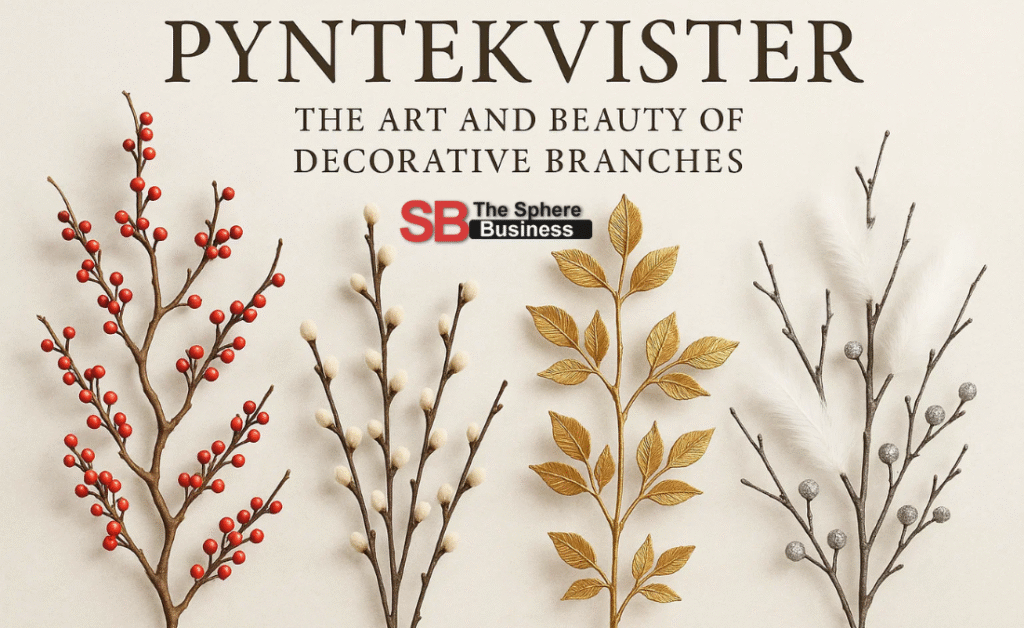
The term “Pyntekvister” comes from the Scandinavian languages, primarily Norwegian and Danish, and translates to “decorative branches” in English. These are not just simple twigs or branches; they are artistic, often hand-crafted or naturally arranged pieces used for home decoration, seasonal displays, and creative design projects. The use of pyntekvister has grown in popularity worldwide, especially among those who appreciate minimalist, nature-inspired, and sustainable home décor.
In this article, we will explore the fascinating world of pyntekvister — their meaning, uses, cultural significance, and creative ideas to incorporate them into your living spaces. We’ll also look at how pyntekvister blend art, nature, and interior design into one timeless concept.
The Meaning and Origin of Pyntekvister
The word pyntekvister is derived from two parts: “pynte” meaning “to decorate,” and “kvister” meaning “branches.” Traditionally, Scandinavian people have always had a strong connection with nature. The long, dark winters encouraged people to bring elements of the natural world indoors, using branches, leaves, and flowers to brighten their homes and lift their spirits.
Originally, pyntekvister were used during seasonal festivals — such as Christmas (Jul) and Easter (Påske) — when homes were decorated with simple yet elegant natural items. Over time, this practice evolved from festive decoration to a year-round home décor trend, symbolizing balance, simplicity, and natural beauty.
Pyntekvister in Scandinavian Interior Design
Scandinavian design is known worldwide for its clean lines, neutral tones, and organic materials. Pyntekvister fit perfectly into this aesthetic. In modern homes, they are used in various ways — from centerpieces on dining tables to minimalist wall décor or even artistic installations hanging from ceilings.
Here’s how pyntekvister are typically integrated into interior design:
- Minimalist Style: A few bare branches arranged in a glass or ceramic vase.
- Rustic Charm: Birch, willow, or pine branches combined with natural materials like jute, linen, or wool.
- Seasonal Themes: Decorated branches reflecting the colors and symbols of the current season.
- Sustainable Décor: Using found or recycled branches supports eco-friendly living, a core principle of Nordic design.
This seamless blending of nature and artistry is what makes pyntekvister stand out as a timeless interior trend.
Different Types of Pyntekvister
Pyntekvister come in many forms, depending on their source and purpose. Let’s look at the most popular types:
1. Natural Pyntekvister
These are authentic branches collected from nature — such as birch, willow, oak, or pine. They retain their natural beauty, sometimes with leaves, moss, or lichen still attached. These are ideal for creating a rustic or earthy atmosphere.
2. Painted or Treated Pyntekvister
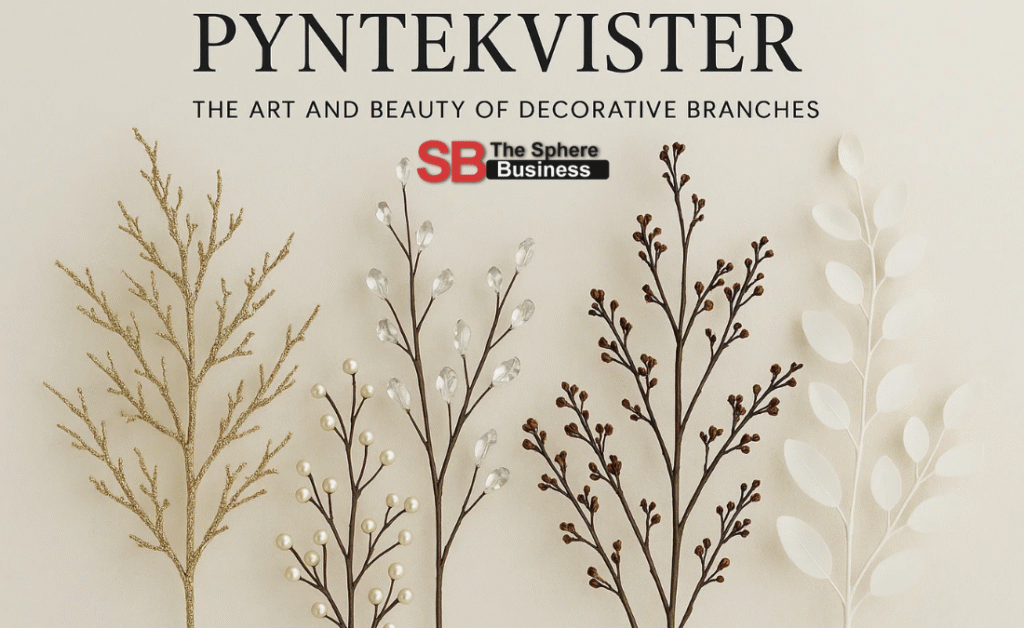
For a more artistic look, branches can be painted in metallic or pastel colors or treated with varnish to add shine and durability. Gold, white, and silver branches are especially popular during the holiday season.
3. Artificial Pyntekvister
Made from plastic, silk, or recycled materials, artificial pyntekvister are durable and reusable. They are perfect for indoor environments where real branches might dry out quickly.
4. Floral Pyntekvister
A combination of branches and flowers — such as cherry blossoms, eucalyptus, or magnolia — adds a soft, romantic touch to home décor.
5. Themed Pyntekvister
These are branches decorated with holiday ornaments, ribbons, or fairy lights, ideal for Christmas, Easter, or weddings.
How to Use Pyntekvister in Home Decoration
The beauty of pyntekvister lies in their versatility. Here are several creative ways to incorporate them into your living spaces:
1. Table Centerpieces
Place pyntekvister in a clear vase or ceramic pot to create an eye-catching centerpiece for your dining or coffee table. Adding candles or small ornaments enhances their aesthetic appeal.
2. Wall or Ceiling Displays
Mount pyntekvister on walls or hang them from ceilings to add texture and a natural element to your home. Twinkling fairy lights can make the arrangement magical.
3. Seasonal Décor
During spring, use blossoming branches. In autumn, dried leaves and twigs create a cozy feel. For winter, decorate them with baubles and lights.
4. Entryway Designs
A vase of pyntekvister in the hallway or entryway creates a welcoming and stylish first impression for guests.
5. Wedding and Event Decoration
Pyntekvister are increasingly popular in wedding decorations, symbolizing growth, strength, and new beginnings. They can be used in arches, table arrangements, or even as photo backdrops.
DIY Pyntekvister: A Creative and Sustainable Project
Creating your own pyntekvister is simple, affordable, and environmentally friendly. Here’s how you can make one yourself:
Materials Needed:
- Branches (collected or purchased)
- Pruning shears
- Paint or varnish (optional)
- Vase or decorative pot
- Ornaments, flowers, or ribbons
Steps:
- Select and Prepare the Branches: Choose branches that have an appealing shape. Clean them and remove excess bark if needed.
- Decorate: Paint or decorate them as desired. You can use natural tones or vibrant colors depending on your theme.
- Arrange: Place them in a vase and add decorative accents like ribbons, hanging ornaments, or small lights.
- Display: Choose a location with good lighting to highlight the natural texture of the branches.
This DIY approach not only saves money but also gives your home a personalized touch that reflects your creativity.
Pyntekvister for Different Seasons
One of the most charming aspects of pyntekvister is how they can be adapted to any season:
- Spring: Cherry blossoms or willow branches represent renewal and growth.
- Summer: Green leafy branches or eucalyptus bring freshness indoors.
- Autumn: Dried leaves, acorns, and berries add warmth and texture.
- Winter: Bare branches with ornaments, lights, and artificial snow create a festive ambiance.
By rotating pyntekvister throughout the year, you can continuously refresh your home’s atmosphere without much expense or waste.
Cultural Significance of Pyntekvister in Scandinavia
In Scandinavian culture, pyntekvister symbolize simplicity, sustainability, and connection to nature. They reflect the Nordic philosophy of “hygge” (coziness) and “lagom” (balance). Instead of extravagant or artificial decorations, pyntekvister remind people that beauty can be found in nature’s smallest details.
During holidays like Christmas, people often decorate pine or birch branches with small ornaments and candles. At Easter, willow branches (known as påskeris in Swedish) are adorned with colorful feathers and ribbons, representing joy and rebirth.
Modern Trends and Commercial Use of Pyntekvister
Today, pyntekvister are not only used in homes but also in restaurants, hotels, offices, and event venues. Interior designers favor them for their elegance and sustainability. They are also becoming popular products in the eco-friendly décor market, where businesses sell handmade or locally sourced pyntekvister to environmentally conscious customers.
Social media platforms like Pinterest and Instagram have amplified the trend, inspiring thousands of DIY projects and interior styling ideas centered around pyntekvister.
Benefits of Using Pyntekvister
- Eco-Friendly: Made from natural or recycled materials.
- Affordable: Cost-effective compared to artificial décor.
- Versatile: Suitable for all seasons and occasions.
- Therapeutic: Crafting and arranging pyntekvister can be a relaxing hobby.
- Aesthetic Appeal: Adds elegance, texture, and natural beauty to any space.
These benefits make pyntekvister not just decorations but expressions of sustainable living and creativity.
Conclusion: The Timeless Appeal of Pyntekvister
In conclusion, pyntekvister represent more than just decorative branches — they embody the essence of Scandinavian design philosophy: simplicity, nature, and harmony. Whether you use them for a festive centerpiece, a wall display, or a personal DIY art project, pyntekvister bring an unmistakable charm and warmth to any setting.
Their growing popularity worldwide shows that people are embracing natural and mindful living, appreciating the quiet beauty found in something as simple as a branch. With pyntekvister, your home can become not only a place of comfort but also a celebration of nature’s art.