

Introduction to Protocolo Operacional Padrão
The term Protocolo Operacional Padrão, often abbreviated as POP, translates to Standard Operating Procedure (SOP) in English. It is a structured document designed to guide professionals in executing tasks consistently and efficiently. Whether in healthcare, manufacturing, education, or corporate settings, a Protocolo Operacional Padrão is essential to ensure that procedures are performed correctly, safely, and in compliance with regulations.
This article explores the concept of Protocolo Operacional Padrão, its importance, applications across industries, benefits, structure, and the best practices for creating and implementing it effectively.
The Importance of Protocolo Operacional Padrão
A Protocolo Operacional Padrão is not just a set of instructions—it represents a culture of standardization and excellence. By following such protocols, organizations minimize errors, increase efficiency, and ensure compliance with national or international guidelines.
For example:
- In healthcare, it ensures accurate patient care and safety.
- In manufacturing, it guarantees quality control and consistency in products.
- In business, it supports team alignment and operational efficiency.
Without a well-defined Protocolo Operacional Padrão, organizations risk inconsistency, legal complications, and reduced productivity.
Structure of a Protocolo Operacional Padrão
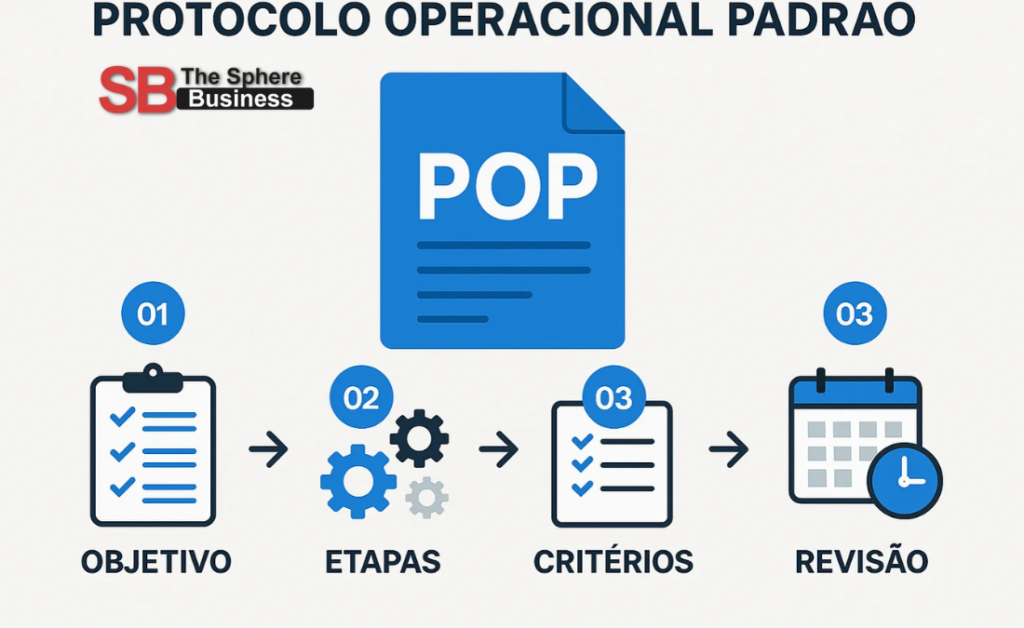
A Protocolo Operacional Padrão is usually written in a clear, step-by-step format. The structure may vary depending on the field, but most include the following elements:
- Title and Identification – Name of the procedure and code reference.
- Objective – The purpose of the protocol.
- Scope – Where and when it applies.
- Responsibilities – Roles and duties of personnel involved.
- Materials/Equipment Needed – List of resources required.
- Procedure – Detailed, step-by-step instructions.
- Quality and Safety Standards – Guidelines for risk management.
- References – Documents, laws, or regulations supporting the protocol.
- Review and Approval – Signatures of responsible authorities.
By maintaining this structure, a Protocolo Operacional Padrão ensures clarity and prevents misinterpretation.
Protocolo Operacional Padrão in Healthcare
In healthcare, the Protocolo Operacional Padrão plays a life-saving role. Hospitals and clinics use POPs to regulate everything from patient admissions to surgical procedures.
Examples include:
- Hand hygiene protocols to prevent infections.
- Medication administration protocols to reduce dosage errors.
- Emergency response protocols for dealing with crises like cardiac arrest.
These standardized protocols protect patients, support medical staff, and align healthcare institutions with global health standards.
Protocolo Operacional Padrão in Manufacturing
In the manufacturing industry, a Protocolo Operacional Padrão is essential for quality assurance. It ensures that every product meets the same standard, no matter who is on duty or which factory location is involved.
Key benefits include:
- Consistency in production lines.
- Compliance with international safety standards.
- Reduction in defective products.
- Streamlined training for new employees.
Manufacturing companies often link their POPs to ISO certifications, which further enhances credibility and market competitiveness.
Protocolo Operacional Padrão in Business and Corporate Settings
For corporations, a Protocolo Operacional Padrão provides clarity and structure in workflows. Departments such as HR, finance, and customer service benefit from standardized protocols.
Examples include:
- Onboarding protocols for new employees.
- Complaint resolution protocols in customer service.
- Financial reporting protocols to maintain compliance.
Such procedures not only improve efficiency but also help build trust among clients, stakeholders, and employees.
Benefits of Implementing Protocolo Operacional Padrão
The implementation of a Protocolo Operacional Padrão provides numerous advantages:
- Consistency – Tasks are performed in the same way every time.
- Efficiency – Less time wasted due to clear instructions.
- Training Support – New staff quickly adapt through structured guidance.
- Risk Reduction – Minimizes errors, accidents, and legal issues.
- Compliance – Ensures adherence to regulations and standards.
- Continuous Improvement – Regular reviews lead to process optimization.
Organizations that successfully implement POPs see measurable improvements in performance and customer satisfaction.
Challenges in Developing a Protocolo Operacional Padrão
Although highly beneficial, creating a Protocolo Operacional Padrão is not without challenges. Common difficulties include:
- Resistance to Change – Employees may prefer old methods.
- Overcomplexity – Too much detail can make a POP hard to follow.
- Lack of Updates – Outdated protocols reduce effectiveness.
- Poor Communication – If not properly shared, staff may ignore the POP.
Overcoming these challenges requires leadership commitment, employee involvement, and continuous review processes.
Best Practices for Writing a Protocolo Operacional Padrão
To make a Protocolo Operacional Padrão truly effective, organizations should follow these best practices:
- Use Clear Language – Avoid jargon and keep instructions simple.
- Be Specific – Provide detailed steps without ambiguity.
- Involve Experts – Consult staff who perform the tasks daily.
- Test the Protocol – Run pilot implementations to check effectiveness.
- Train Employees – Ensure everyone understands the protocol.
- Review Regularly – Update the POP to match new laws, tools, or methods.
A well-written POP should act as both a manual and a learning tool.
Digital Transformation of Protocolo Operacional Padrão
With digitalization, the traditional Protocolo Operacional Padrão is evolving. Instead of paper-based manuals, many companies now use digital platforms to manage their POPs.
Advantages of digital POPs include:
- Easy accessibility from mobile devices.
- Real-time updates and version control.
- Integration with workflow management software.
- Enhanced employee engagement through interactive tools.
This transformation ensures that POPs remain relevant in modern, fast-paced industries.
Examples of Protocolo Operacional Padrão in Different Fields
- Hospitality – Standardized cleaning procedures for hotel rooms.
- Education – Examination supervision protocols.
- Food Industry – Sanitation and food handling protocols.
- Construction – Safety protocols for operating heavy machinery.
- IT Services – Data backup and cybersecurity protocols.
These examples highlight the universal importance of Protocolo Operacional Padrão across multiple domains.
Conclusion on Protocolo Operacional Padrão
The Protocolo Operacional Padrão is far more than a bureaucratic requirement—it is a foundation for organizational success, safety, and quality. Whether in healthcare, manufacturing, education, or corporate environments, POPs establish consistency, reduce risk, and promote efficiency.
In an era of globalization and digital transformation, adopting a clear and well-structured Protocolo Operacional Padrão is no longer optional—it is a necessity. Organizations that invest in creating and maintaining these protocols are better positioned to adapt, innovate, and thrive in competitive markets.