


In the modern world, maintaining strong bones and a healthy skeletal system has become a top priority, especially as people age or face nutritional deficiencies. One name that often comes up in discussions about bone health is Osteopur. This article explores the concept of Osteopur, its ingredients, uses, benefits, possible side effects, and why it is increasingly popular among health-conscious individuals.
What Is Osteopur?
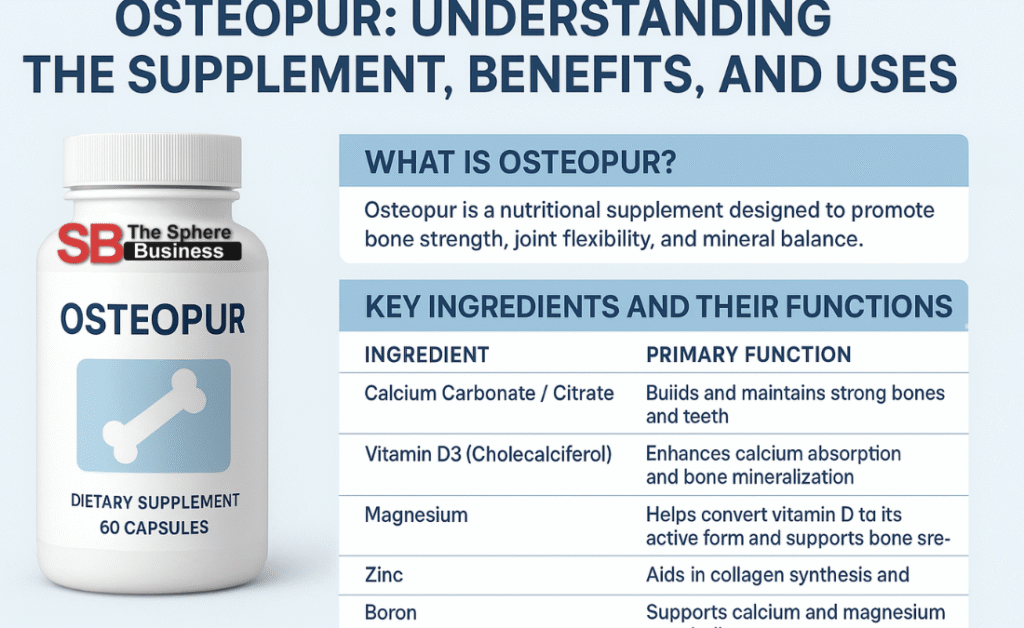
Osteopur is a dietary supplement specifically designed to support bone and joint health. It typically contains essential vitamins, minerals, and natural extracts that are vital for maintaining bone density, flexibility, and overall skeletal strength.
While formulations can vary depending on the manufacturer, most versions of Osteopur include ingredients such as:
- Calcium – The cornerstone of bone strength.
- Vitamin D3 – Helps the body absorb calcium more effectively.
- Magnesium – Supports muscle and bone function.
- Zinc and Manganese – Aid in bone tissue formation and repair.
- Collagen or Glucosamine – Support joint flexibility and cartilage health.
Together, these components work synergistically to prevent bone loss and support bone regeneration.
The Importance of Bone Health and Why Osteopur Matters
Bone health is often overlooked until problems like osteoporosis, fractures, or joint pain occur. As people age, bone mass naturally decreases, leading to brittle bones that are more prone to breaks. Osteopur helps counter this natural decline by providing nutrients that strengthen the bones from within.
Some of the key reasons why Osteopur has gained attention include:
- Prevention of Osteoporosis: Especially in postmenopausal women, where bone density loss accelerates.
- Improved Calcium Absorption: Thanks to vitamin D3 and magnesium synergy.
- Joint Mobility Support: Certain versions of Osteopur include ingredients that promote healthy joints and reduce stiffness.
- Rehabilitation Support: It may be recommended for individuals recovering from bone fractures or surgeries.
Thus, Osteopur serves as both a preventive and restorative supplement.
Osteopur Ingredients and Their Roles
Understanding the ingredients in Osteopur helps explain why it is so effective in promoting bone strength and flexibility. Below is an overview of the most common components:
1. Calcium
Calcium is the most abundant mineral in the body and forms the main structural element of bones and teeth. Osteopur delivers calcium in an easily absorbable form to ensure that the body receives an adequate supply daily.
2. Vitamin D3 (Cholecalciferol)
Vitamin D3 enhances the absorption of calcium from the intestines and ensures it reaches the bones. Without sufficient vitamin D3, the calcium from the diet or supplements may go to waste.
3. Magnesium
Magnesium plays a vital role in converting vitamin D into its active form, helping the body utilize calcium effectively. It also contributes to muscle relaxation and prevents cramps, which can indirectly reduce joint and bone stress.
4. Zinc and Manganese
Both minerals support the synthesis of bone tissue and collagen. Zinc boosts bone density, while manganese helps maintain healthy cartilage and joint fluid.
5. Collagen or Glucosamine (Depending on Brand)
These compounds are essential for joint lubrication and cartilage repair. Osteopur formulas that include these ingredients offer dual support for both bones and joints.
Osteopur for Bone Strength and Density
The core goal of Osteopur is to improve bone density—a crucial measure of bone health. Regular intake can help replenish the minerals lost due to age, hormonal changes, or poor diet. Studies on similar calcium-vitamin D supplements have shown that they can reduce the risk of fractures and osteoporosis progression.
For individuals at risk of bone thinning, such as older adults, menopausal women, or athletes, Osteopur acts as a nutritional backbone that supports their active lifestyle.
Osteopur for Joint Flexibility and Pain Relief
Another significant aspect of Osteopur is its impact on joint health. Some variants are enriched with collagen, glucosamine, and chondroitin—natural compounds that help maintain cartilage structure and prevent joint degradation.
Regular usage can lead to:
- Reduced joint stiffness.
- Enhanced range of motion.
- Decreased inflammation around joints.
This makes Osteopur particularly valuable for people suffering from arthritis or age-related joint discomfort.
How to Use Osteopur
Osteopur is usually available in tablet or capsule form. The general dosage depends on the manufacturer’s recommendation, but typically:
- Adults may take 1–2 tablets daily with meals.
- It is best taken with water or milk for better calcium absorption.
- Consistency is key—regular use shows better results over time.
However, it’s essential to consult a doctor or nutritionist before starting any supplement, especially if you have kidney issues, heart conditions, or are already taking other calcium-based products.
Who Should Take Osteopur?
Osteopur is suitable for a wide range of individuals, including:
- Elderly individuals – To combat natural bone loss.
- Postmenopausal women – To maintain bone density after hormonal changes.
- Athletes and fitness enthusiasts – To strengthen bones and joints under physical stress.
- People recovering from fractures – To accelerate healing.
- Those with nutritional deficiencies – Especially calcium or vitamin D deficiency.
It can also be beneficial for younger adults seeking preventive care against future bone problems.
Possible Side Effects of Osteopur
While Osteopur is generally safe when taken in recommended doses, some individuals may experience mild side effects such as:
- Stomach discomfort or nausea.
- Constipation (if calcium intake is too high).
- Headache or fatigue (in rare cases).
These effects are uncommon and usually subside with dosage adjustment. Always follow the product label and avoid exceeding the recommended daily intake.
Precautions and Interactions
Before using Osteopur, it is important to consider potential interactions:
- Avoid combining with other high-dose calcium supplements unless advised by a healthcare provider.
- People with kidney stones should be cautious, as excessive calcium can worsen the condition.
- Certain medications, such as antibiotics or thyroid drugs, may interact with Osteopur; therefore, space the doses several hours apart.
A medical consultation ensures the supplement fits your specific health needs safely.
Why Osteopur Is Popular
The growing demand for Osteopur can be attributed to its balanced formulation, trusted results, and wide availability. Many users report noticeable improvements in energy, mobility, and posture after consistent use. Its affordability and natural composition make it a preferred choice among consumers seeking a non-prescription bone health solution.
Additionally, Osteopur’s reputation is supported by healthcare professionals who often recommend it as part of a bone health maintenance plan.
Comparison: Osteopur vs. Other Bone Supplements
Compared to standard calcium supplements, Osteopur stands out due to its comprehensive formulation. While basic calcium tablets only address calcium deficiency, Osteopur includes synergistic vitamins and minerals that ensure better absorption and holistic bone nourishment.
Furthermore, Osteopur’s inclusion of joint-support ingredients like collagen makes it a two-in-one solution—strengthening both bones and joints.
Conclusion: Is Osteopur Worth It?
In conclusion, Osteopur is more than just a calcium supplement—it is a complete bone and joint health solution. With its scientifically balanced blend of calcium, vitamin D3, magnesium, zinc, and other essential nutrients, Osteopur helps maintain bone density, flexibility, and overall mobility.
Whether you are looking to prevent osteoporosis, recover from an injury, or simply maintain a healthy skeletal structure, Osteopur provides the necessary nutritional foundation.
As with all supplements, it should complement a balanced diet, regular exercise, and proper medical advice. Taken consistently and responsibly, Osteopur can be a valuable ally in your journey toward lifelong bone strength and well-being.