
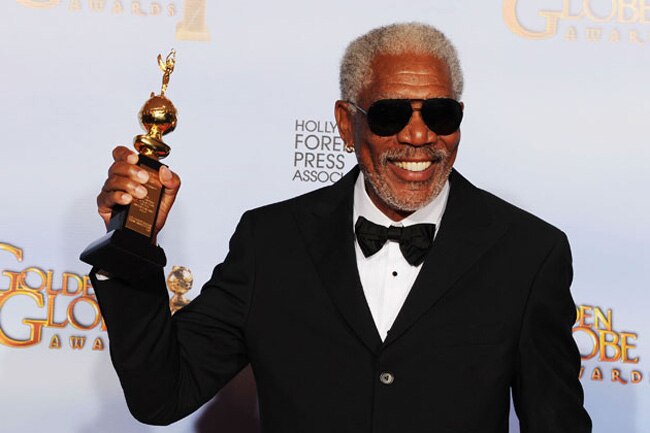

Morgan freeman hand has become a frequent search query because audiences around the world have noticed a consistent detail in the legendary actor’s public appearances: his left hand often appears stiff, partially closed, or covered by a black compression glove. This visual detail has sparked curiosity, concern, and speculation for years. While Morgan Freeman is celebrated for his iconic voice and powerful screen presence, his hand tells a quieter story, one rooted in a serious accident, long term nerve damage, and resilience in the face of physical limitation. Understanding what happened to Morgan Freeman’s hand provides insight not only into his health but also into how he continued his career with dignity and determination.
Profile Overview
| Detail | Information |
| Full Name | Morgan Freeman |
| Date of Birth | June 1, 1937 |
| Age | 88 years |
| Nationality | American |
| Height | Approximately 6 feet 2 inches (188 cm) |
| Profession | Actor, Narrator, Director |
| Known For | Shawshank Redemption, Driving Miss Daisy, narration |
| Hand Affected | Left hand |
| Injury Type | Nerve damage |
| Cause | Car accident (2008) |
| Glove Purpose | Pain management and circulation |
| Net Worth | Estimated $250 million |
| Current Status | Active, with physical limitations |
Who is Morgan Freeman
Morgan Freeman is one of the most respected figures in film history. With a career spanning more than five decades, he is known for his calm authority, emotional depth, and unmistakable voice. His performances have earned him multiple awards, including an Academy Award, and his narration work has become iconic across documentaries and cinema.
Despite his global fame, Freeman has remained candid about personal challenges, including the injury that permanently affected his hand.
What happened to Morgan Freeman’s hand
The story behind the Morgan Freeman hand begins in August 2008, when Freeman was involved in a serious car accident in Mississippi. His vehicle reportedly flipped multiple times after veering off the road.
Freeman sustained multiple injuries, but the most lasting damage was to his left hand and arm. He suffered severe nerve damage that required extensive surgery and long recovery periods.
Understanding nerve damage
Nerve damage is different from broken bones or muscle injuries. When nerves are damaged, they may not fully regenerate, leading to:
- Chronic pain
- Limited mobility
- Loss of sensation
- Muscle weakness
In Morgan Freeman’s case, the nerve damage affected his ability to open and control his left hand fully. This condition is considered permanent.
Why Morgan Freeman wears a glove
One of the most visible aspects of the Morgan Freeman hand is the black compression glove he often wears at public events. This glove is not a fashion accessory.
The glove serves several medical purposes:
- Helps reduce swelling
- Improves blood circulation
- Manages chronic pain
- Prevents stiffness
Freeman has confirmed in interviews that the glove helps alleviate discomfort caused by nerve damage.
Is Morgan Freeman’s hand paralyzed
Morgan Freeman’s hand is not fully paralyzed, but it has significantly reduced function. He has described the condition as painful and limiting, noting that he cannot fully open his fingers.
This partial loss of function explains why his hand often appears clenched or immobile in photographs and videos.
How the injury affected his career
Many fans wonder whether the Morgan Freeman hand injury impacted his acting career. While the injury did not end his career, it required adjustments.
Directors and filmmakers adapted:
- Blocking and camera angles were adjusted
- Hand movements were minimized
- Gloves or positioning were incorporated naturally
Freeman continued acting, focusing on roles that did not require extensive physical action involving his left hand.
Freeman’s attitude toward the injury
Rather than retreating from public life, Morgan Freeman addressed the injury with honesty. He has spoken openly about the pain and limitations, but he rarely frames the injury as a setback.
His attitude reflects acceptance rather than frustration, emphasizing adaptation over loss.
Public reaction and curiosity
The public’s fascination with Morgan Freeman stems largely from visibility. Because Freeman remains active in public life, audiences notice the glove and hand position repeatedly.
Unlike injuries that fade from view, Freeman’s hand remains a constant presence, prompting questions from fans across generations.
Media speculation and misinformation
Over the years, misinformation has circulated about Freeman’s hand, including:
- Claims of stroke related paralysis
- Speculation about recent injuries
- Exaggerated reports of total immobility
In reality, the cause is well documented and linked directly to the 2008 car accident and resulting nerve damage.
Comparison with other long term injuries in Hollywood
Morgan Freeman is not alone in continuing a career despite physical limitations. Many actors have worked through long term injuries, adapting their performances.
What sets Freeman apart is the visibility of his condition and the transparency with which it has been addressed.
Why the hand injury resonates with fans
The Morgan Freeman hand story resonates because it humanizes a figure often seen as larger than life. Audiences admire not only his talent but his perseverance.
Seeing a globally admired actor navigate permanent injury challenges the idea that success requires physical perfection.
Pain management and daily life
Freeman has acknowledged that the pain from nerve damage never fully disappears. Chronic pain management becomes part of daily life through:
- Compression support
- Limited use of the affected hand
- Adjusted routines
Despite this, he continues to attend events, act, and narrate projects.
Does the injury affect his voice or narration
Importantly, the hand injury does not affect Freeman’s voice or cognitive abilities. His narration work, which relies on vocal control rather than physical movement, remains unaffected.
This has allowed him to remain professionally active even as physical roles become more selective.
Aging and compounded challenges
As Freeman has aged, the combination of natural aging and existing nerve damage has required additional care. However, there has been no public indication of worsening beyond the original injury.
His continued appearances demonstrate stability rather than decline.
Why people keep searching “morgan freeman hand”
The keyword trends because:
- The glove is visually distinctive
- Freeman remains highly visible
- Fans want reassurance about his health
- The injury story is rarely fully explained in one place
Curiosity increases when information feels incomplete or fragmented.
Respecting privacy versus public concern
While Freeman has shared basic details, he has not turned his injury into a public narrative. This balance allows fans to understand without overexposure.
The respectful tone of most public curiosity reflects admiration rather than intrusion.
Lessons from Morgan Freeman’s experience
Freeman’s experience offers broader lessons:
- Physical limitations do not define ability
- Adaptation can sustain long careers
- Transparency reduces speculation
- Dignity matters in public life
His career continued not because the injury was ignored, but because it was accommodated.
Cultural impact of visibility
Seeing Morgan Freeman openly wear a medical glove has normalized visible disability in Hollywood. It subtly challenges expectations about how public figures should appear.
This visibility contributes to broader acceptance of assistive devices and chronic conditions.
Where Morgan Freeman is now
Today, Morgan Freeman remains selectively active in film and narration. While his physical roles are fewer, his influence and presence remain strong.
The Morgan Freeman hand injury is now part of his public image, not as a weakness, but as a testament to endurance.
Conclusion
The story behind Morgan Freeman’s hand is not a mystery, but a powerful narrative of survival, adaptation, and professionalism. A serious car accident caused permanent nerve damage, limiting the function of his left hand and requiring ongoing pain management.
Rather than retreat, Freeman adjusted his career, embraced necessary accommodations, and continued contributing to cinema at the highest level. His hand tells a story not of loss, but of resilience, one that mirrors the quiet strength he brings to every role.