
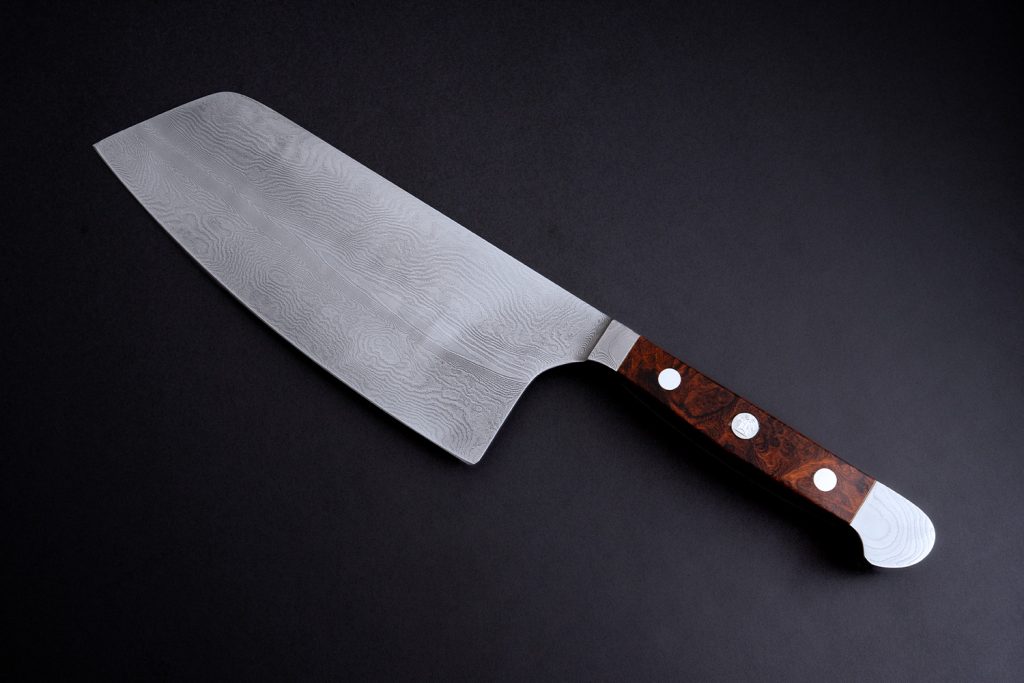

When we come across a word like messeregge, it immediately feels rooted in history. It carries a certain weight, a connection to craftsmanship, and a deep association with tools that have shaped human civilization for centuries. While it may not be a commonly used modern term, its origins reveal a fascinating story tied to European traditions of blades, knives, and edged implements.
In this article, we explore what messeregge represents, where it comes from, and why it still holds relevance in today’s world. We’ll walk through its linguistic roots, historical significance, craftsmanship traditions, and how it continues to inspire modern interpretations.
Understanding the Meaning of Messeregge
At its core, messeregge appears to be derived from older European words related to knives or blades. The prefix “messer” is commonly linked to the German word for knife, while the suffix may refer to edge, ridge, or form.
When we combine these elements, messeregge can be interpreted as something like “knife-edge form” or “blade structure.” It is less about a single object and more about a concept—one that represents the design, function, and craftsmanship of edged tools.This makes the term both practical and symbolic. It reflects not just the tool itself, but the skill and intention behind its creation.
The Historical Roots of Blade Culture
To understand messeregge, we need to step back into a time when blades were essential to everyday life. Across Europe, knives and edged tools were not just weapons—they were survival tools.
People used them for:
- Preparing food
- Hunting and skinning animals
- Crafting wood and materials
- Protection and defense
Blades were deeply integrated into daily routines, and their design evolved based on regional needs. From rural farming communities to medieval towns, every culture had its own variation of blade-making traditions.In this context, messeregge likely emerged as a term describing a specific style, structure, or philosophy of blade design.
Craftsmanship and the Art of Blade Making
One of the most fascinating aspects of messeregge is its connection to craftsmanship. Blade-making has always been considered a skilled art form, requiring precision, patience, and deep knowledge of materials.
Traditional craftsmen focused on:
Material Selection
High-quality steel was essential. The durability and sharpness of a blade depended heavily on the metal used.
Forging Techniques
Blades were shaped through heat and hammering. This process required both strength and finesse.
Edge Geometry
The “edge” is where the true functionality lies. The angle, sharpness, and finish determine how effective a blade is.
Balance and Design
A well-crafted blade is not just sharp—it feels right in the hand. Balance plays a crucial role in usability.The idea of messeregge fits perfectly into this world. It reflects the attention to detail and the importance of the blade’s edge as both a functional and artistic element.
Symbolism Behind the Blade
Beyond its practical use, the blade has always carried symbolic meaning. In many cultures, it represents:
- Strength and protection
- Precision and control
- Survival and resilience
- Craftsmanship and skill
The term messeregge can be seen as a symbol of these values. It’s not just about cutting—it’s about mastery, discipline, and the relationship between humans and their tools.In historical contexts, owning a well-made blade was often a sign of status or identity. It showed that the owner valued quality and understood the importance of reliable tools.
Regional Influences and Variations
Europe has a rich history of blade-making, and each region developed its own unique styles. While messeregge may not refer to a single specific design, it likely draws influence from various traditions.
Germanic Traditions
Knives were often sturdy and practical, designed for everyday use.
Nordic Influences
Blades were crafted for harsh environments, focusing on durability and versatility.
Central European Styles
These often balanced functionality with decorative elements, reflecting both utility and artistry.
The diversity of these traditions adds depth to the concept of messeregge. It becomes a blend of influences rather than a fixed definition.
The Evolution of Blades Over Time
As technology advanced, the role of blades began to change. Industrialization brought mass production, making knives more accessible but often less personal.
However, the core principles remained the same:
- Sharpness
- Durability
- Ergonomics
The idea of messeregge evolved alongside these changes. While the tools themselves became more modern, the respect for craftsmanship and design continued.
Today, we see a renewed interest in traditional methods. Many artisans are returning to hand-forging techniques, emphasizing quality over quantity.
Messeregge in Modern Context
In today’s world, messeregge can be viewed as a concept rather than a literal term. It represents a mindset—one that values precision, craftsmanship, and authenticity.
We can see its influence in:
Artisan Knife Making
Independent craftsmen are creating high-quality blades using traditional methods.
Collectors and Enthusiasts
People are increasingly interested in the history and artistry behind knives.
Outdoor and Survival Gear
Modern tools still rely on the same principles that defined early blade-making.
Design and Aesthetics
Even in non-functional contexts, the shape and symbolism of blades inspire art and design.
Why Messeregge Still Matters
At first glance, messeregge might seem like an obscure or outdated term. But when we look deeper, we realize it represents something timeless.
It reminds us of:
- The importance of skilled craftsmanship
- The connection between tools and survival
- The beauty of functional design
- The value of tradition in a modern world
In an age where mass production dominates, concepts like messeregge encourage us to appreciate quality, detail, and authenticity.
The Human Connection to Tools
One of the reasons messeregge resonates is because it reflects our relationship with tools. Since the earliest days of humanity, tools have been extensions of our abilities.
A blade, in particular, is one of the oldest and most essential tools ever created. It represents innovation, adaptation, and progress.When we think about messeregge, we’re really thinking about how humans shape their environment—and how tools shape us in return.
A Blend of Function and Identity
Another interesting aspect of messeregge is how it combines function with identity. A blade is not just a tool—it can also be personal.
Different shapes, sizes, and designs reflect different needs and preferences. Over time, these variations become part of cultural identity.In this sense, messeregge is more than just a word. It’s a representation of how practical objects can carry meaning, tradition, and individuality.
Looking Ahead: The Future of Traditional Concepts
As we move further into a digital and automated world, there is a growing appreciation for traditional knowledge and craftsmanship.
Concepts like messeregge are being rediscovered and reinterpreted. They inspire:
- Sustainable production methods
- Appreciation for handmade goods
- A return to quality over quantity
This doesn’t mean abandoning modern technology. Instead, it’s about finding a balance—combining innovation with tradition.
Final Thoughts
Messeregge may not be a widely recognized term today, but its essence is deeply relevant. It captures the spirit of craftsmanship, the importance of precision, and the enduring connection between humans and their tools.
When we explore its roots, we uncover a story that spans centuries—a story of survival, creativity, and skill. It reminds us that even the simplest objects, like a blade, can carry profound meaning.In the end, messeregge is not just about knives or edges. It’s about the legacy of making something with purpose, care, and mastery. And that is something that never goes out of style.
Explore the latest entertainment news and reviews at.