


Introduction to Korps Sukarela
The term Korps Sukarela translates to “Volunteer Corps” in English. It represents a collective of individuals who dedicate their time, energy, and skills to support social causes and humanitarian efforts without expecting financial rewards. Korps Sukarela plays an essential role in community development, disaster response, public health, and education across many countries, especially in Indonesia and Malaysia.
This movement embodies the values of solidarity, compassion, and civic responsibility, becoming a backbone of national resilience in times of need. In this article, we will explore the origins, structure, objectives, benefits, and challenges faced by Korps Sukarela, along with its impact on society and the future of volunteerism.
The Origin and Evolution of Korps Sukarela
The Korps Sukarela movement emerged as a response to the growing need for community-based assistance during times of social and natural crises. Historically, the spirit of volunteerism in Southeast Asia has deep cultural roots. Traditional communities often practiced gotong royong (mutual cooperation), where neighbors would unite to accomplish shared goals such as building homes, repairing infrastructure, or aiding those in distress.
Over time, this cultural value evolved into formalized organizations, often under the guidance of government agencies or humanitarian groups like the Red Cross, civil defense units, and youth organizations. The establishment of Korps Sukarela PMI (Palang Merah Indonesia) is one of the most recognized examples in Indonesia, founded to support the Red Cross mission through trained volunteers.
The evolution of Korps Sukarela reflects a blend of modern management systems and traditional community values, making it a unique model of organized volunteerism in the modern world.
Structure and Organization of Korps Sukarela
The structure of Korps Sukarela typically follows a hierarchical yet flexible system that ensures efficient coordination during operations. Depending on the organization it belongs to (for example, the Red Cross or local NGOs), it may include:
- National Headquarters: Responsible for policy formulation, training modules, and national coordination.
- Regional or Provincial Offices: Oversee the implementation of programs and ensure alignment with local needs.
- Local Units: The grassroots level, where volunteers directly interact with the community.
- Volunteer Leaders and Trainers: Individuals who manage teams, conduct drills, and ensure skill development.
Each volunteer usually undergoes specialized training in first aid, emergency response, community health, communication, and leadership. The structured approach ensures that Korps Sukarela maintains professionalism and readiness in all activities.
The Core Values of Korps Sukarela
At the heart of Korps Sukarela lies a strong moral and ethical foundation that guides all actions and decisions. These core values include:
- Humanity: Serving all individuals with respect, dignity, and compassion, regardless of race, religion, or social background.
- Voluntary Spirit: Providing service without expecting financial reward.
- Neutrality and Impartiality: Ensuring aid is given based on need alone.
- Commitment: Upholding dedication and responsibility in every mission.
- Solidarity: Working as one unit to achieve collective goals.
These values not only strengthen the internal bond among volunteers but also build trust and credibility with the public and partner organizations.
Roles and Functions of Korps Sukarela
The Korps Sukarela plays diverse and dynamic roles across multiple sectors. Their flexibility allows them to adapt to various community challenges, including:
1. Disaster Management and Relief Operations
When natural disasters such as earthquakes, floods, or volcanic eruptions occur, Korps Sukarela volunteers are among the first responders. They help in evacuation, provide first aid, distribute relief goods, and assist in rebuilding affected areas.
2. Health and Sanitation Campaigns
Korps Sukarela is actively involved in public health awareness programs, including vaccination drives, hygiene education, blood donation campaigns, and disease prevention workshops.
3. Education and Youth Development
Many volunteers contribute to educational programs by mentoring underprivileged children, organizing literacy activities, or supporting rural schools.
4. Environmental Protection
Volunteers often engage in tree planting, waste management initiatives, and climate awareness campaigns, promoting sustainable living practices.
5. Social and Humanitarian Services
Korps Sukarela provides aid to vulnerable groups such as orphans, the elderly, and people with disabilities. They also support social integration programs for marginalized communities.
Training and Skill Development in Korps Sukarela
Joining Korps Sukarela is not just about serving others; it is also a journey of personal growth and skill enhancement. Volunteers undergo comprehensive training sessions that include:
- Basic Life Support and First Aid
- Disaster Response and Management
- Leadership and Teamwork
- Public Speaking and Communication Skills
- Community Mobilization Techniques
These training programs ensure that volunteers are well-prepared, confident, and capable of performing under pressure. Furthermore, many organizations provide certifications that enhance volunteers’ professional profiles.
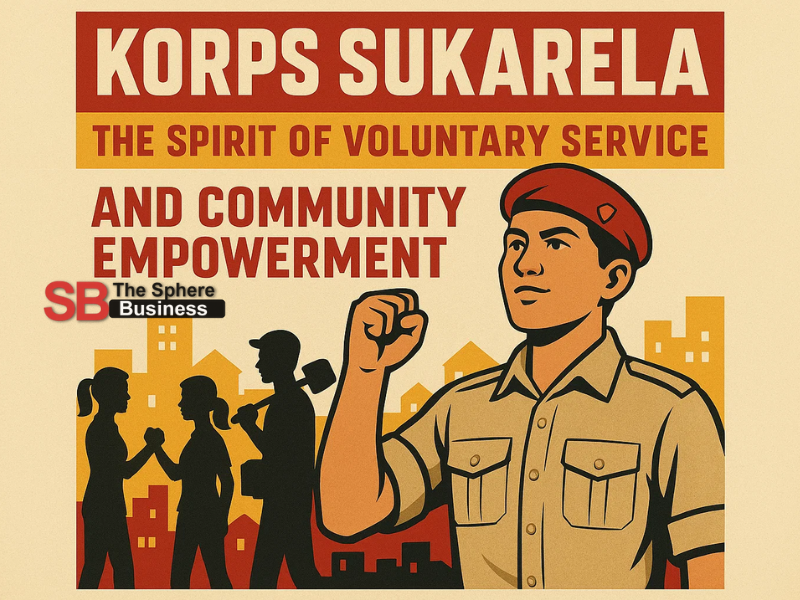
Impact of Korps Sukarela on Society
The influence of Korps Sukarela extends beyond emergency response. Its social and cultural impact can be seen in multiple areas:
- Strengthening National Unity: By bringing people from diverse backgrounds together, it promotes unity and mutual respect.
- Building Community Resilience: Communities with active volunteer networks recover faster from crises.
- Encouraging Civic Engagement: Korps Sukarela inspires citizens, especially youth, to participate in social and environmental causes.
- Reducing Government Burden: Volunteer efforts complement governmental operations, saving resources and extending reach.
This holistic contribution makes Korps Sukarela a cornerstone of national and community resilience.
Challenges Faced by Korps Sukarela
Despite its many achievements, Korps Sukarela also faces challenges that can hinder its operations and growth. Some of the common issues include:
- Funding Limitations: As a volunteer-based organization, securing sustainable financial resources is often difficult.
- Volunteer Retention: Many members join temporarily, leading to high turnover rates.
- Lack of Equipment and Infrastructure: In emergencies, inadequate tools or transportation can affect response efficiency.
- Coordination Gaps: Working with multiple agencies sometimes leads to communication breakdowns.
- Mental and Physical Stress: Continuous exposure to crisis situations can cause burnout among volunteers.
Addressing these challenges requires strategic planning, improved coordination with stakeholders, and continuous support from the government and private sector.
Future of Korps Sukarela
The future of Korps Sukarela looks promising, especially with the rise of digital platforms and social media that facilitate volunteer coordination and awareness campaigns. New technologies such as mobile apps, online fundraising, and data-driven management systems can enhance efficiency and outreach.
Moreover, integrating youth empowerment programs and school-based volunteer clubs will ensure the sustainability of the movement. The future vision for Korps Sukarela focuses on creating a more resilient, inclusive, and proactive society that values cooperation and empathy over competition.
How to Join Korps Sukarela
Becoming a member of Korps Sukarela is a straightforward process, often open to anyone above a certain age (usually 17 years). The general steps include:
- Registration: Fill out the application through the organization’s official platform.
- Orientation: Attend an introductory session to understand the mission and values.
- Training: Complete required courses in first aid, communication, and disaster response.
- Active Participation: Join community programs and field activities.
- Continuous Learning: Engage in workshops and leadership programs.
This process ensures that every volunteer is equipped with the right mindset and skillset to make a meaningful contribution.
Conclusion: The Enduring Spirit of Korps Sukarela
In conclusion, Korps Sukarela stands as a shining example of humanity’s collective strength and compassion. Through selfless service, dedication, and teamwork, these volunteers embody the highest ideals of civic duty. Their contributions—ranging from disaster response to education—demonstrate that real change often begins with ordinary people doing extraordinary things.
As societies evolve and face new challenges, the Korps Sukarela remains an indispensable force, inspiring future generations to act with kindness, courage, and purpose. The movement proves that the power of volunteerism can transform not only communities but the entire nation.