
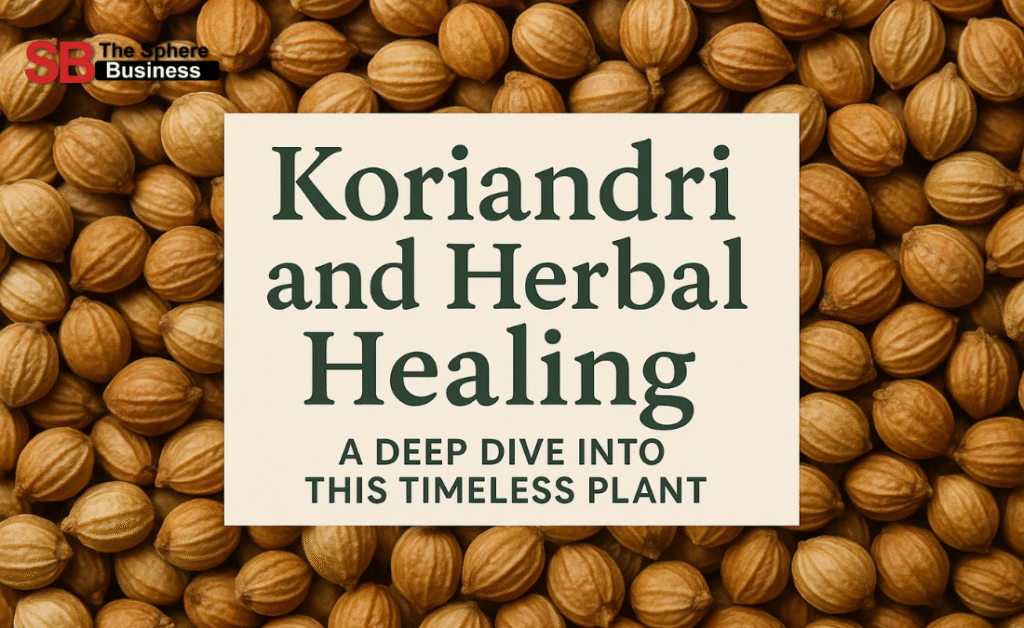

Herbal medicine has been woven into human civilization for thousands of years, and among the countless plants used around the world, coriander—referred to here as koriandri—stands out as both a culinary delight and a potent healing herb. In this comprehensive article, we take a deep dive into Koriandri and Herbal Healing: A Deep Dive into This Timeless Plant, exploring its origins, botanical properties, traditional uses, medicinal benefits, and modern scientific validation.
1. Origins of Koriandri and Herbal Healing: A Deep Dive into This Timeless Plant
The story of koriandri begins in ancient civilizations. Archaeologists have discovered coriander seeds in tombs in Egypt dating back over 3,000 years. It was valued in ancient Greece and Rome not only as a food seasoning but also for its medicinal properties.
Koriandri became a key player in Ayurveda, Traditional Chinese Medicine, and Middle Eastern herbal traditions. Healers recognized its ability to settle the stomach, cool the body, and purify the blood. The deep history of koriandri highlights its significance as a plant that bridges cultures and medicinal systems, laying the foundation for its continued use today.
2. Botanical Profile of Koriandri and Herbal Healing: A Deep Dive into This Timeless Plant
Koriandri (Coriandrum sativum) is a delicate annual herb belonging to the Apiaceae family. The plant features:
- Feathery, aromatic leaves (commonly called cilantro)
- Small white or pinkish flowers
- Round, fragrant seeds that mature into coriander spice
Every part of the koriandri plant is edible, and each component contains unique compounds that contribute to both its flavor and medicinal value. The leaves tend to be bright and citrusy, while the seeds have warm, nutty undertones with a hint of orange peel.
3. Cultural Role of Koriandri and Herbal Healing: A Deep Dive into This Timeless Plant
Across cultures, koriandri holds a dual identity as a culinary and medicinal herb. In Indian cuisine, it’s a staple in curries, chutneys, and spice blends. In Latin America, fresh koriandri leaves (cilantro) infuse salsas and soups with their signature freshness. Middle Eastern cooking uses both leaves and seeds to build complex flavors in dishes and teas.
Culturally, koriandri symbolizes health, vitality, and purification. Ancient superstitions even considered coriander a fertility and love herb. These traditions contribute to the longstanding reverence this plant commands in holistic wellness.
4. Nutritional Composition in Koriandri and Herbal Healing: A Deep Dive into This Timeless Plant
Koriandri is a nutritional powerhouse. Whether consumed as leaves, seeds, or essential oil, it contains a variety of beneficial compounds:
- Vitamins: A, C, K, E, and several B vitamins
- Minerals: potassium, magnesium, calcium, iron, and manganese
- Antioxidants: quercetin, tocopherols, terpinene, pinene
- Phytochemicals: linalool, limonene, carvone
These nutrients enhance immunity, support heart health, and promote detoxification—making koriandri a staple in the herbal medicine cabinet.
5. Digestive Benefits in Koriandri and Herbal Healing: A Deep Dive into This Timeless Plant
One of the most celebrated uses of koriandri is its digestive support.
How it helps:
- Reduces bloating and gas
- Relieves indigestion
- Stimulates appetite
- Balances stomach acidity
- Supports healthy gut bacteria
Koriandri seeds are often brewed into teas to soothe digestive discomfort. In Ayurvedic medicine, koriandri is known as a cooling herb, making it ideal for easing heartburn and acid reflux.
6. Anti-Inflammatory Effects in Koriandri and Herbal Healing: A Deep Dive into This Timeless Plant
Chronic inflammation contributes to a wide range of health issues, including arthritis, heart disease, and autoimmune disorders. Koriandri contains potent anti-inflammatory compounds such as linalool and camphor.
Regular consumption may help:
- Reduce joint swelling
- Calm muscle pain
- Ease symptoms of inflammatory bowel conditions
- Support recovery from chronic inflammatory illnesses
This is why koriandri is frequently included in herbal blends designed to promote overall wellness.
7. Detoxification Benefits of Koriandri and Herbal Healing: A Deep Dive into This Timeless Plant
One of the most remarkable qualities of koriandri is its detoxifying ability. Studies have shown that coriander may help the body eliminate heavy metals such as lead, mercury, and arsenic.
Key detox benefits:
- Promotes liver function
- Encourages healthy kidney detox pathways
- Neutralizes toxins
- Supports skin purification
- Enhances metabolic waste removal
Koriandri is often used in detox smoothies, herbal teas, and cleansing diets to rejuvenate the body.

8. Antimicrobial Properties in Koriandri and Herbal Healing: A Deep Dive into This Timeless Plant
Coriander essential oil and seeds possess natural antimicrobial properties that can inhibit the growth of harmful bacteria and fungi, including:
- E. coli
- Salmonella
- Candida albicans
This makes koriandri a valuable natural remedy for infections and a preservative traditionally used to keep foods from spoiling.
9. Heart Health and Koriandri and Herbal Healing: A Deep Dive into This Timeless Plant
Koriandri supports cardiovascular health in multiple ways:
- Lowers LDL (“bad”) cholesterol
- Raises HDL (“good”) cholesterol
- Reduces blood pressure
- Improves circulation
- Provides antioxidant protection for the heart
Traditional healers often prescribed coriander seed water for heart palpitations and excessive heat in the bloodstream.
10. Skin and Beauty Benefits in Koriandri and Herbal Healing: A Deep Dive into This Timeless Plant
Koriandri also has significant benefits for the skin due to its antibacterial, anti-inflammatory, and detoxifying properties.
Helps with:
- Acne
- Redness and irritation
- Rashes and eczema
- Dark circles
- Skin dullness
The leaves can be made into a paste for topical application, while coriander tea is a popular internal remedy for skin purification.
11. Emotional and Spiritual Healing with Koriandri and Herbal Healing: A Deep Dive into This Timeless Plant
Beyond the physical body, koriandri is believed in many traditions to support emotional and spiritual well-being.
Benefits include:
- Calming the mind
- Reducing anxiety
- Balancing emotional heat or anger
- Promoting restful sleep
- Enhancing mental clarity
Herbalists often pair koriandri with soothing herbs like chamomile and mint to create harmonizing teas.
12. Ways to Use Koriandri and Herbal Healing: A Deep Dive into This Timeless Plant
Koriandri can be consumed or used in several versatile forms:
1. Fresh leaves (cilantro)
Use in salads, soups, curries, smoothies, or chutneys.
2. Dried seeds
Excellent for teas, spice blends, pickling, and baking.
3. Coriander powder
Used in curries, marinades, and herbal remedies.
4. Essential oil
A concentrated form that should be diluted for use in aromatherapy and skincare.
5. Seed water
Brewing seeds overnight creates a cooling digestive tonic.
Each form of koriandri provides different therapeutic benefits.
13. Modern Science on Koriandri and Herbal Healing: A Deep Dive into This Timeless Plant
Contemporary research is beginning to validate what ancient herbalists understood intuitively. Scientific studies have confirmed koriandri’s:
- Antioxidant effects
- Anti-inflammatory actions
- Blood sugar balancing properties
- Cholesterol-lowering abilities
- Gut microbiome support
The growing body of evidence supports using koriandri both as a preventative herb and a natural remedy for various conditions.
14. Precautions in Koriandri and Herbal Healing: A Deep Dive into This Timeless Plant
While koriandri is generally safe, a few precautions should be kept in mind:
- Some people may have a rare coriander allergy.
- Excessive consumption may lower blood sugar too much.
- Pregnant individuals should consult a doctor before using essential oil.
- Always introduce new herbs slowly into your diet.
Conclusion: The Power of Koriandri and Herbal Healing: A Deep Dive into This Timeless Plant
Koriandri is truly a timeless plant—cherished for its flavor, respected for its healing power, and treasured across ancient and modern cultures. Through this deep dive into Koriandri and Herbal Healing: A Deep Dive into This Timeless Plant, we see its importance as a digestive aid, detoxifier, anti-inflammatory herb, antimicrobial agent, and overall wellness supporter.
Whether added to your meals, brewed into tea, or used as part of a natural remedy, koriandri offers a wide range of health benefits that make it one of the most valuable herbs in the world. Its multifaceted nature—bridging the culinary, medicinal, and spiritual realms—truly makes koriandri a remarkable, timeless healing plant.