
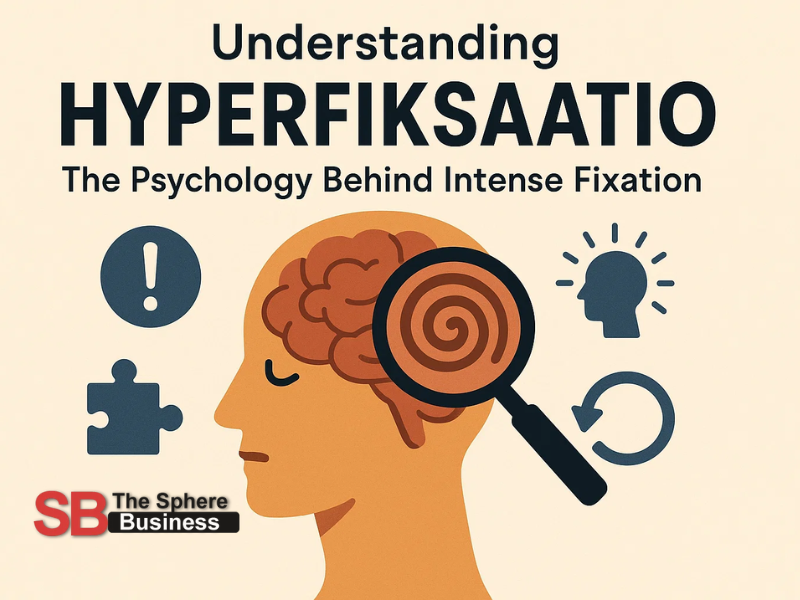

In recent years, the term “hyperfiksaatio” (also spelled hyperfiksation in English) has become more commonly used, especially within online communities discussing neurodivergent behavior, attention disorders, and creativity. But what exactly does hyperfiksaatio mean, where does it come from, and what does it reveal about the human mind? This article explores the meaning, causes, effects, and coping strategies related to hyperfiksaatio, helping you understand this fascinating psychological phenomenon.
What Is Hyperfiksaatio?
The word “hyperfiksaatio” is derived from Finnish, where “hyper” means excessive and “fiksaatio” means fixation. Literally translated, it means “hyperfixation” — an intense focus or obsession with a particular activity, topic, or object for a period of time.
In psychology, hyperfiksaatio refers to a state in which a person becomes extremely absorbed in something to the point that other tasks, responsibilities, or even basic needs may be neglected. This deep focus can be both a strength and a challenge, depending on how it manifests.
For example:
- Someone might spend hours researching a niche topic like space travel, video games, or a specific TV show.
- An artist might lose track of time while perfecting a piece of work.
- A student might dive deeply into a subject, forgetting to eat or sleep.
The Science Behind Hyperfiksaatio
From a scientific perspective, hyperfiksaatio is closely linked to how the brain’s dopamine system functions. Dopamine is a neurotransmitter that regulates motivation, reward, and pleasure. When someone engages in something that stimulates dopamine production — such as a hobby, interest, or creative pursuit — they can experience a surge of focus and satisfaction.
In neurodivergent individuals, such as those with ADHD (Attention Deficit Hyperactivity Disorder) or Autism Spectrum Disorder (ASD), dopamine regulation often differs from the neurotypical pattern. This can cause intense bursts of attention (hyperfiksaatio) alternating with periods of distraction or disengagement.
Hyperfiksaatio and ADHD
One of the most common contexts in which hyperfiksaatio is discussed is ADHD. While ADHD is often associated with inattention, it also involves periods of hyperfocus — moments when an individual becomes so deeply engaged that they lose track of time and surroundings.
For people with ADHD:
- Hyperfiksaatio can make them extremely productive in short bursts.
- It may also cause difficulty switching tasks, especially when moving from something stimulating to something mundane.
This paradoxical nature means that hyperfiksaatio is not purely positive or negative — it depends on how it’s managed.
Hyperfiksaatio and Autism Spectrum Disorder (ASD)
In autistic individuals, hyperfiksaatio often takes the form of special interests — topics or hobbies that become a central part of their identity and daily life. These interests can bring:
- A sense of comfort and stability.
- Deep expertise and knowledge.
- A way to connect with others who share similar passions.
However, if unmanaged, these fixations may make it difficult to balance other aspects of life. For instance, a person might talk extensively about one topic or struggle to shift attention to unrelated matters.
Signs and Symptoms of Hyperfiksaatio
Recognizing hyperfiksaatio can help individuals better understand their behavior patterns. Common signs include:
- Intense Focus: Spending hours absorbed in one activity without realizing how much time has passed.
- Neglect of Other Needs: Forgetting to eat, drink, or sleep due to complete immersion in a topic.
- Emotional Connection: Feeling joy, comfort, or relief while engaging in the fixation.
- Difficulty Stopping: Struggling to disengage even when needing to attend to other responsibilities.
- Information Overload: Gathering large amounts of data or details about one subject obsessively.
- Repetitive Behavior: Continuously talking about, researching, or engaging in the same activity.
It’s important to note that hyperfiksaatio is not inherently unhealthy. It becomes problematic only when it disrupts daily life or causes emotional distress.
Benefits of Hyperfiksaatio
Although often discussed as a symptom of neurodivergent conditions, hyperfiksaatio can also have several positive aspects:
1. Deep Learning
Hyperfiksaatio allows individuals to acquire exceptional depth of knowledge in a specific area. Many scientists, artists, and inventors have achieved breakthroughs thanks to this intense level of focus.
2. Creativity and Innovation
When a person becomes completely immersed in a subject, it can spark unique ideas and creative problem-solving abilities.
3. Personal Fulfillment
Engaging in something meaningful can bring emotional satisfaction, helping individuals express themselves and reduce anxiety or boredom.
4. Skill Mastery
Repetition and deep engagement often lead to expert-level skill development — whether it’s coding, art, writing, or gaming.

Challenges of Hyperfiksaatio
On the other hand, hyperfiksaatio can also pose several challenges:
1. Neglect of Basic Needs
Individuals may forget to eat, rest, or maintain hygiene while hyperfocused. This can lead to burnout or exhaustion.
2. Difficulty Transitioning
Switching from a favored task to another can be extremely frustrating, particularly for people with ADHD or autism.
3. Social Isolation
Excessive focus on a niche topic might make social interaction challenging, especially if others don’t share the same interest.
4. Decreased Productivity
When energy is concentrated on one thing, other responsibilities — like schoolwork, chores, or relationships — may be ignored.
Managing Hyperfiksaatio Effectively
While hyperfiksaatio can’t always be avoided, it can be managed in a healthy and productive way. Here are some strategies:
1. Set Time Limits
Use timers or alarms to remind yourself to take breaks. This helps balance productivity and self-care.
2. Create a Routine
A consistent daily structure can prevent hyperfiksaatio from disrupting sleep or work patterns.
3. Prioritize Tasks
Identify which tasks must be completed first, so hyperfocus doesn’t interfere with essential responsibilities.
4. Use Interests Productively
Channel your fixation into something beneficial — for example, transforming a hobby into a career or side project.
5. Seek Support
Talking with a therapist, especially one familiar with ADHD or ASD, can help you learn to manage hyperfiksaatio constructively.
Cultural and Online Perception of Hyperfiksaatio
In online spaces, especially within neurodivergent communities on platforms like TikTok, Reddit, and Tumblr, hyperfiksaatio has become a well-known term. People use it to describe the feeling of “falling down a rabbit hole” — a mix of passion, obsession, and joy.
This growing awareness has helped normalize neurodivergent experiences, encouraging people to embrace their unique cognitive styles rather than view them as flaws. As a result, hyperfiksaatio is often celebrated as a part of identity, creativity, and intelligence.
When to Seek Professional Help
While hyperfiksaatio itself isn’t a mental disorder, it can be a symptom of an underlying condition such as ADHD, OCD, or ASD. Professional evaluation might be necessary if:
- The fixation interferes with work, school, or relationships.
- It causes stress, anxiety, or depression.
- There’s a pattern of burnout after each fixation ends.
Psychologists can offer coping mechanisms such as Cognitive Behavioral Therapy (CBT), mindfulness techniques, or medication when appropriate.
Hyperfiksaatio vs. Passion: What’s the Difference?
It’s easy to confuse hyperfiksaatio with simple enthusiasm or passion, but the two differ in intensity and control.
| Aspect | Passion | Hyperfiksaatio |
|---|---|---|
| Control | Person can manage focus | Focus becomes involuntary |
| Duration | Sustained over time | Sudden bursts of obsession |
| Impact | Balanced with daily life | Can disrupt daily activities |
| Emotion | Steady excitement | Overwhelming immersion |
Both can coexist, but recognizing the difference helps individuals navigate their emotional and mental wellbeing.
Conclusion: Embracing and Understanding Hyperfiksaatio
In conclusion, hyperfiksaatio is a double-edged phenomenon — a powerful force of creativity, focus, and passion, yet also a challenge when it overtakes one’s balance. Understanding its nature can help individuals harness it positively rather than fear it.
Whether you experience hyperfiksaatio due to ADHD, autism, or simply a deep interest in something you love, learning to channel that energy constructively can transform it from a struggle into a superpower. After all, some of the greatest achievements in art, science, and innovation have come from minds that dared to fixate deeply — and that’s the beauty of hyperfiksaatio.