
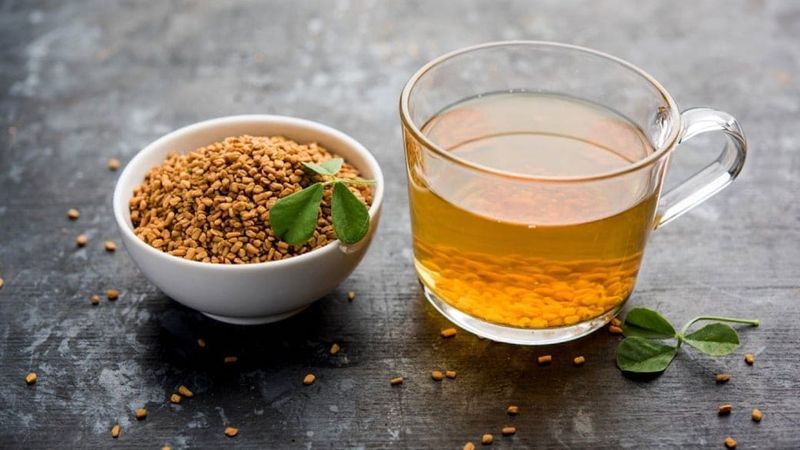

When it comes to herbal remedies and superfoods, foenegriek is a name that often pops up. With its rich history and a wide range of health benefits, it is one of the most popular herbs used in natural medicine. Also known as fenugreek, this plant has been used for centuries for its culinary and medicinal properties. From ancient civilizations to modern-day wellness practices, foenegriek continues to play an important role in health and well-being.
This comprehensive guide will explore the many benefits, uses, and potential side effects of foenegriek, and why it has gained so much attention in the health and wellness community. Whether you’re interested in boosting your health or simply curious about this powerful herb, this article will provide you with everything you need to know.
What is Foenegriek?
Foenegriek or fenugreek is a plant that belongs to the Fabaceae family. The seeds of the plant are widely used in cooking and herbal medicine due to their potent flavor and medicinal properties. Native to regions of the Middle East, South Asia, and Mediterranean countries, it has been used for thousands of years in traditional medicine.
Nutritional Profile of Foenegriek
Foenegriek seeds are not only packed with flavor but also contain a variety of nutrients that support health. Here’s a breakdown of its nutritional components:
| Nutrient | Amount per 100g |
| Calories | 323 kcal |
| Protein | 26g |
| Carbohydrates | 58g |
| Fiber | 25g |
| Fat | 6g |
| Iron | 33% of the daily value |
| Magnesium | 20% of the daily value |
| Vitamin B6 | 0.6 mg (30% DV) |
These components make foenegriek a highly nutritious herb, contributing to various health benefits.
Health Benefits of Foenegriek
Foenegriek is known for its wide range of health benefits, which makes it an attractive option for those looking to improve their well-being naturally. Here are some of the key benefits:
1. Supports Digestion and Gut Health
One of the most common uses of foenegriek is to aid in digestion. The seeds contain soluble fiber, which helps to regulate bowel movements and ease constipation. Additionally, foenegriek can support gut health by promoting healthy bacteria growth, which is essential for a properly functioning digestive system.
2. Helps Control Blood Sugar Levels
Several studies have shown that foenegriek can help regulate blood sugar levels, especially in people with type 2 diabetes. The seeds contain a compound called 4-hydroxyisoleucine, which has been found to improve insulin sensitivity and lower blood glucose levels. Regular consumption of foenegriek may help reduce the need for diabetes medication and improve overall glycemic control.
3. Boosts Milk Production in Nursing Mothers
Foenegriek has been traditionally used to help increase milk production in nursing mothers. The herb contains compounds that mimic the action of estrogen, which stimulates milk production. As a result, many mothers use foenegriek as a natural remedy to help with breastfeeding challenges.
4. Supports Weight Loss
Foenegriek may also help with weight loss. The high fiber content in the seeds helps you feel fuller for longer, reducing hunger cravings and promoting satiety. Additionally, some studies suggest that foenegriek can increase fat burning and metabolism, which aids in weight loss.
5. Improves Heart Health
Foenegriek is heart-healthy due to its ability to lower cholesterol levels. Several studies have found that it can reduce LDL cholesterol (the “bad” cholesterol) and increase HDL cholesterol (the “good” cholesterol). By balancing cholesterol levels, foenegriek helps improve overall cardiovascular health and reduce the risk of heart disease.
6. Boosts Testosterone Levels
For men, foenegriek has been shown to have a positive effect on testosterone levels. Studies suggest that foenegriek may increase testosterone levels by boosting the body’s production of this vital hormone. It can also improve sexual health and performance by enhancing libido and stamina.
How to Use Foenegriek?
Foenegriek is versatile in how it can be used, whether in cooking, as a supplement, or in tea. Here are some popular ways to incorporate foenegriek into your daily routine:
1. Foenegriek Tea
One of the easiest ways to consume foenegriek is by making foenegriek tea. Simply boil water, add a teaspoon of foenegriek seeds, and let it steep for a few minutes. You can drink this tea up to twice a day for its digestive and blood sugar benefits.
2. Foenegriek Supplements
If you don’t like the taste of the herb or find it difficult to incorporate into your diet, foenegriek supplements are widely available. Capsules and powders containing foenegriek extract offer the same benefits as the seeds. A typical dose ranges from 500 mg to 1,000 mg per day, but it’s always a good idea to consult with a healthcare provider before taking supplements.
3. As a Spice in Cooking
Foenegriek is commonly used as a spice in Indian and Middle Eastern cuisine. The seeds have a slightly bitter, nutty flavor and are often used in curries, stews, and sauces. You can also grind the seeds into a powder and add it to smoothies, baked goods, or salad dressings for added flavor and health benefits.
4. Topical Use for Skin Health
Foenegriek can also be applied topically for its anti-inflammatory and antioxidant properties. It can be used in face masks or applied to the skin to soothe irritated skin or treat acne. Many natural skincare products contain foenegriek extract due to its skin benefits.
Side Effects and Considerations
While foenegriek offers many benefits, it’s important to note that it may cause side effects for some individuals. Here are some possible side effects to keep in mind:
1. Allergic Reactions
Some people may be allergic to foenegriek. If you experience symptoms such as itching, rash, or difficulty breathing, discontinue use immediately and seek medical attention.
2. Blood Thinning
Foenegriek has mild blood-thinning properties. If you are on blood-thinning medications, it’s essential to consult with your doctor before using this herb to avoid potential interactions.
3. Gastrointestinal Issues
Excessive consumption of foenegriek may cause gastrointestinal discomfort, such as bloating, gas, or diarrhea. It’s important to start with a small amount and gradually increase the dosage to avoid digestive issues.
Conclusion
Foenegriek is a powerful herb with a wide array of health benefits. From supporting digestion and weight loss to improving heart health and boosting testosterone levels, its diverse range of uses makes it a valuable addition to any wellness routine. Whether you use it as a spice in cooking, a supplement, or in tea, foenegriek can provide long-term health benefits when used consistently.
As with any herbal remedy, it’s important to consult with a healthcare provider, especially if you are pregnant, nursing, or taking medications. Start with a small amount and monitor how your body reacts to this potent herb to reap the full benefits.
FAQs
1. What is foenegriek?
Foenegriek, also known as fenugreek, is an herb used for its medicinal properties and culinary uses. It is known for improving digestion, managing blood sugar, and supporting heart health.
2. How do you consume foenegriek?
You can consume foenegriek in several ways, including making tea, using it as a spice in cooking, or taking supplements in capsule form.
3. Are there any side effects of using foenegriek?
While generally safe for most people, foenegriek can cause digestive issues, allergic reactions, or interact with blood-thinning medications in some individuals.
4. Can foenegriek help with weight loss?
Yes, foenegriek can support weight loss by promoting satiety, reducing appetite, and boosting metabolism.
5. Is foenegriek safe to use during pregnancy?
Pregnant women should avoid using foenegriek in large amounts, as it may stimulate uterine contractions. Always consult with a healthcare provider before using any herbal remedies during pregnancy.