


In the ever-evolving landscape of digital entertainment, where streaming giants dominate headlines and theatrical releases are just a click away, a unique niche has been carved out by communities dedicated to the pure, unadulterated love of film. One name that frequently surfaces in these circles is Cinndymovies. More than just a website or a keyword, Cinndymovies represents a phenomenon—a digital hub for movie enthusiasts seeking access to a vast library of content. But what exactly is Cinndymovies? Is it a legitimate service, a gray-area archive, or something else entirely? This article delves into the world of Cinndymovies, exploring its appeal, the inherent risks, and what its existence tells us about the current state of film consumption.
What is Cinndymovies? Defining the Digital Archive
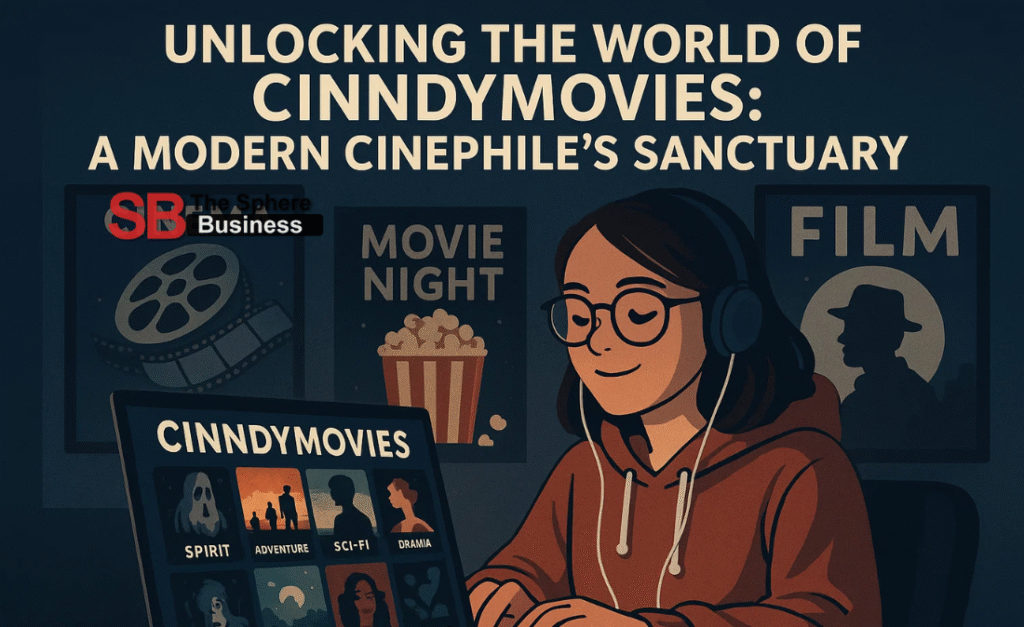
At its core, Cinndymovies is an online platform that provides users with the ability to stream or download a wide array of movies and television shows. Unlike subscription-based services like Netflix or Disney+, platforms like Cinndymovies typically operate without a formal fee. Their primary draw is the sheer volume and variety of content they offer. From the latest Hollywood blockbusters still playing in theaters to obscure foreign films and classic cinema, Cinndymovies positions itself as a one-stop-shop for the avid viewer. The user interface, while often cluttered with advertisements, is usually straightforward, allowing users to search for a title and begin watching with minimal friction. For many, Cinndymovies is a digital video store with an infinite shelf space, a place where discovery is just a random click away.
The operational model of Cinndymovies is important to understand. It does not produce original content nor does it typically hold legal distribution rights for the content it hosts. Instead, it acts as an aggregator, embedding or linking to video files hosted on third-party servers. This places Cinndymovies firmly in the category of streaming piracy websites. Their existence is precarious, often facing takedown notices and legal challenges, which leads to a constant game of digital whack-a-mole, with the site frequently changing its domain name (e.g., Cinndymovies.com, Cinndymovies.to, etc.) to stay accessible to its user base.
The Allure of Cinndymovies: Why Viewers Flock to the Platform
The popularity of platforms like Cinndymovies is not accidental. It is a direct response to several pain points in the modern streaming ecosystem.
First and foremost is content fragmentation. The “Golden Age” of streaming has given way to the “Era of a Hundred Services.” To watch a specific movie or follow a particular series, a consumer may need subscriptions to Netflix, Hulu, HBO Max, Disney+, Paramount+, Peacock, and more. The cost of maintaining all these subscriptions often exceeds that of a traditional cable package, a phenomenon known as “subscription fatigue.” Cinndymovies offers a simple, cost-effective alternative by centralizing this fragmented content.
Secondly, there is the issue of accessibility and availability. Many films, especially independent, international, or older titles, are not available on any major streaming platform. They languish in what is often called “distribution limbo.” For a cinephile seeking a specific 1970s European art film or a cult B-movie, Cinndymovies can be the only place to find it without purchasing a physical copy or a digital license from a niche service.
Finally, the immediacy offered by Cinndymovies is a significant factor. When a movie is released in theaters, there is a growing demand to see it at home. The shortened theatrical-to-streaming window has helped, but it hasn’t eliminated the desire for instant access. Pirated copies often appear online within days of a film’s release, and Cinndymovies is a primary destination for viewers unwilling to wait or pay theater prices.
The Significant Risks of Using Cinndymovies
While the appeal is clear, engaging with Cinndymovies is not without serious drawbacks and dangers. The most glaring issue is the legal and ethical implications. Accessing copyrighted content without proper licensing is illegal in most countries. While individual users are rarely prosecuted on a large scale, the act supports an ecosystem that deprives filmmakers, actors, writers, and countless other professionals of rightful revenue. The film industry is a collaborative art form funded by its commercial success; piracy directly undermines its financial sustainability.
Beyond the legal concerns, the cybersecurity risks are substantial. Websites like Cinndymovies are funded by aggressive advertising, which often includes malicious pop-ups and redirects. These ads can be gateways for malware, ransomware, spyware, and phishing scams. Users risk infecting their devices with software that can steal personal information, including passwords and financial data. Even with robust ad-blockers and antivirus software, the risk is never zero. The very nature of these sites—operating outside the law—means there is no accountability for user safety or data privacy.
Furthermore, the user experience on Cinndymovies is often compromised. The video quality can be inconsistent, ranging from high-definition copies to grainy, cam-recorded versions with audience noise. Buffering is common due to server overload, and the constant barrage of intrusive ads can make navigation frustrating. Unlike legitimate services that invest in a seamless, high-quality experience, Cinndymovies offers a gamble with every click.
Cinndymovies as a Symptom of a Larger Industry Conversation
The persistence and popularity of Cinndymovies should be seen as a symptom of broader issues within the media distribution industry. It highlights a consumer demand for a more unified, affordable, and comprehensive access model. The success of aggregator services like JustWatch, which help users find where content is legally streaming, indicates a desire for simplicity. The industry’s move toward ad-supported tiers on platforms like Netflix and HBO Max is a direct acknowledgment that cost is a significant barrier.
In a way, Cinndymovies sets an unofficial standard for what a perfect streaming service might look like in the minds of consumers: everything, all in one place, for a low price (or free). The challenge for the legitimate industry is to find a way to meet this demand without compromising the economic model that allows content to be created in the first place.
Conclusion
Cinndymovies is a complex symbol in the digital age. It is, on one hand, a testament to the insatiable human desire for stories and accessible entertainment, filling the gaps left by a fragmented and often expensive corporate landscape. It serves as an unofficial archive for films that have fallen through the cracks of digital distribution. On the other hand, it is an illegal operation that poses real risks to its users and harms the creative industries it draws from.
The ultimate takeaway is not an endorsement of Cinndymovies, but a recognition of the market forces it represents. The platform’s existence is a clear message to content creators and distributors: consumers crave convenience, affordability, and comprehensiveness. As the legal streaming world continues to adapt and evolve, the hope is that it can create a model that satisfies these demands, rendering the risky allure of platforms like Cinndymovies obsolete. Until then, the choice for the viewer remains a balance between immediate access and supporting the sustainable creation of the films and shows they love.