
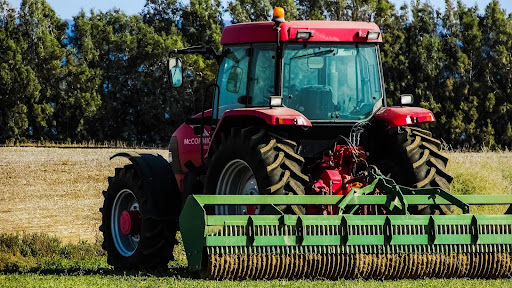

Farm equipment represents one of the most significant investments in modern agriculture. Whether it’s a compact tractor for small acreage or a fleet of machines for large-scale operations, the financial commitment can shape a farm’s productivity for years. Making the right decisions about purchasing and financing equipment requires more than comparing prices—it involves understanding long-term value, operational needs, and financial flexibility.
Farmers today face a unique challenge: balancing the need for reliable, high-performance machinery with the realities of fluctuating markets and tight margins. Strategic investment planning can make the difference between equipment that supports growth and machinery that becomes a financial burden.
Understanding the True Cost of Farm Machinery
The purchase price of equipment is only part of the equation. Ownership costs extend beyond the initial investment and include maintenance, fuel, repairs, and depreciation. These factors can significantly influence the overall cost of operating machinery over time.
Evaluating total cost of ownership helps farmers make more informed decisions. A machine with a higher upfront cost may offer better durability and lower maintenance expenses, ultimately proving more economical in the long run. This perspective shifts the focus from short-term savings to long-term efficiency.
Considering Equipment Lifespan and Usage
The expected lifespan of equipment plays a critical role in investment decisions. Machines used daily under demanding conditions will experience wear more quickly than those used occasionally. Matching equipment capacity to actual workload ensures better performance and prevents unnecessary strain on machinery.
Exploring Financing Options for Agricultural Equipment
For many farmers, purchasing equipment outright is not always practical. Financing options provide a way to access essential machinery without placing excessive strain on cash flow. However, not all financing arrangements are the same, and understanding the differences is key to making the right choice.
Flexible solutions such as Kubota equipment financing allow farmers to spread costs over time while maintaining access to modern, efficient machinery. These options can be tailored to align with seasonal income patterns, making them particularly useful in agriculture where revenue is often cyclical.
Balancing Risk and Opportunity
Financing introduces both opportunities and responsibilities. While it enables access to better equipment, it also requires careful planning to ensure that repayment terms align with expected income. Farmers must consider interest rates, repayment schedules, and potential market fluctuations when evaluating financing options.
Choosing the Right Type of Tractor for Your Operation
Selecting the right tractor is a foundational decision that affects nearly every aspect of farm work. Different types of tractors are designed for specific applications, from row-crop farming to orchard management and heavy-duty fieldwork.
Resources such as comprehensive guides to tractor types and categories provide valuable insights into how different models are suited to various agricultural tasks. Understanding these distinctions helps farmers choose equipment that aligns with their operational needs.
Matching Equipment to Farm Size and Scope
Smaller farms may benefit from compact tractors that offer versatility and ease of use, while larger operations often require high-horsepower machines capable of handling intensive workloads. Selecting the right size and type of tractor ensures optimal performance and prevents unnecessary expenses.
The Human Element in Equipment Decisions
Behind every piece of machinery is a team of people responsible for operating, maintaining, and managing it. The skills and knowledge of these individuals play a crucial role in maximizing the value of equipment investments.
Understanding roles within the agricultural supply chain, such as those outlined in the responsibilities of tractor sales and support professionals, highlights the importance of expertise in guiding purchasing decisions. Experienced professionals can provide insights into equipment performance, maintenance requirements, and long-term reliability.
Training and Operational Efficiency
Proper training ensures that equipment is used effectively and safely. Operators who understand the capabilities and limitations of their machinery are better equipped to avoid costly mistakes and maintain consistent performance. Investing in training can yield significant returns by reducing downtime and extending equipment lifespan.
Maintenance Planning as Part of Financial Strategy
Maintenance is often viewed as a separate concern from financial planning, but the two are closely connected. Regular servicing helps prevent major breakdowns, reducing repair costs and minimizing disruptions to farm operations.
Incorporating maintenance into financial planning ensures that funds are allocated for routine care. This proactive approach not only protects equipment but also supports more predictable budgeting, making it easier to manage overall expenses.
Preventing Unexpected Costs
Unexpected repairs can place a significant strain on farm finances. By addressing minor issues early and maintaining equipment consistently, farmers can avoid costly breakdowns and extend the useful life of their machinery.
Adapting Investment Strategies to Changing Agricultural Trends
The agricultural industry is constantly evolving, influenced by technological advancements, environmental considerations, and market demands. Equipment investment strategies must adapt to these changes to remain effective.
Modern machinery often includes features such as precision controls and data integration, allowing farmers to optimize operations and improve efficiency. Investing in equipment that supports these capabilities can provide a competitive advantage and position farms for future growth.
Planning for Long-Term Growth
Strategic investments should consider not only current needs but also future expansion. Equipment that can scale with the operation provides greater flexibility and reduces the need for frequent replacements. This forward-thinking approach helps ensure that investments continue to deliver value over time.
Conclusion
Investing in farm equipment is a complex process that involves balancing cost, performance, and long-term goals. By understanding total ownership costs, exploring financing options, and selecting machinery that aligns with operational needs, farmers can make decisions that support both efficiency and growth.
Thoughtful planning, combined with proper maintenance and skilled operation, ensures that equipment remains a valuable asset rather than a financial burden. In an industry where every decision impacts productivity, a strategic approach to equipment investment can make a lasting difference.
Stay in touch to get more updates & news on The Sphere Business!