
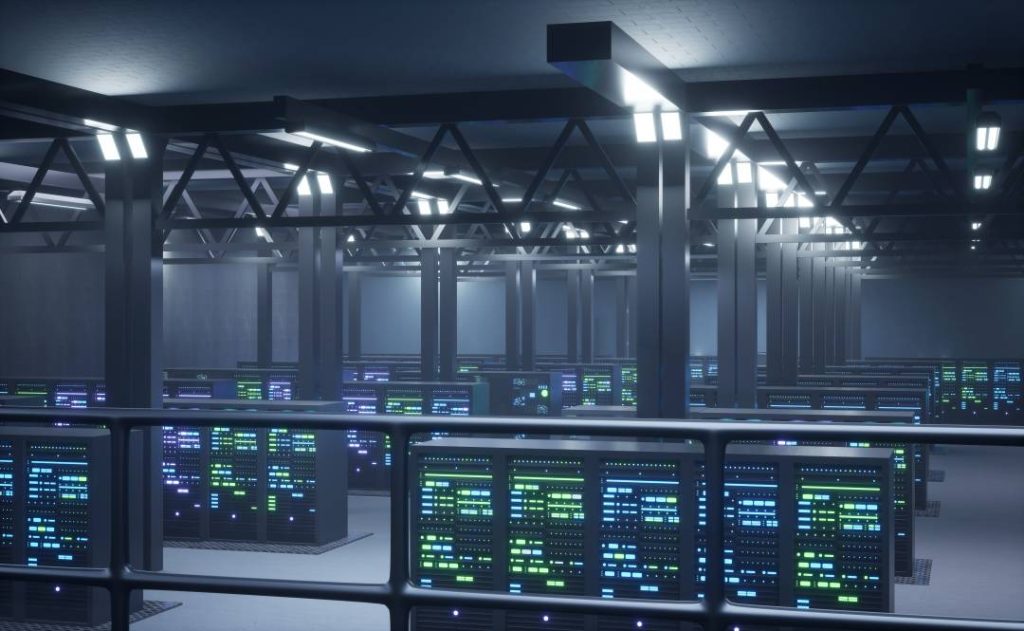

NS Mainframe combines exceptional reliability, advanced security features, and superior scalability in a single platform, making it a preferred choice for large-scale enterprises and mission-critical applications. Unlike traditional computing systems, NS Mainframe is designed to handle massive workloads, complex processes, and high volumes of data without compromising performance or stability.
At its core, NS Mainframe is all about delivering uninterrupted service while providing a secure, flexible, and efficient computing environment. This makes it ideal for industries such as banking, insurance, healthcare, and government, where downtime is costly and data integrity is paramount.
What Makes NS Mainframe Stand Out
NS Mainframe differentiates itself from conventional servers and cloud solutions through several key features:
1. Exceptional Reliability
One of the biggest advantages of NS Mainframe is its reliability. These systems are engineered to run continuously, often 24/7, with minimal risk of failure. Redundant components, advanced error detection, and automated recovery mechanisms ensure that businesses experience virtually no downtime, even under heavy workloads.
2. Advanced Security Features
In today’s environment, cybersecurity is critical. NS Mainframe comes equipped with multi-layered security measures, including encryption, access controls, intrusion detection, and auditing capabilities. This ensures sensitive data remains protected against unauthorized access, cyberattacks, and accidental breaches.
3. Superior Scalability
As businesses grow, their computing needs change. NS Mainframe supports horizontal and vertical scaling, allowing enterprises to expand processing power, memory, and storage seamlessly. This flexibility makes it easier to accommodate business growth, peak workloads, or sudden spikes in demand without disrupting operations.
4. High-Performance Processing
NS Mainframe systems are built for performance. They can process millions of transactions per second, making them ideal for applications requiring high-speed computations, large-scale databases, or real-time analytics. This level of performance is difficult to achieve with traditional servers or cloud platforms.
5. Centralized Management
NS Mainframe allows IT teams to monitor, manage, and optimize resources from a single, centralized interface. This simplifies administration, reduces human error, and improves operational efficiency. Businesses can implement updates, troubleshoot issues, and allocate resources efficiently without downtime.
Core Applications of NS Mainframe
NS Mainframe is used across industries for a variety of mission-critical applications:
- Banking and Financial Services: Handling transactions, fraud detection, and data storage for millions of customers.
- Healthcare: Managing patient records, hospital systems, and large-scale medical databases.
- Government: Running public services, security systems, and data analytics for national operations.
- Retail and E-commerce: Processing orders, inventory management, and customer analytics in real-time.
- Telecommunications: Supporting network management, billing, and large-scale communication services.
Benefits of Using NS Mainframe
Implementing NS Mainframe offers multiple benefits to organizations, including:
- Minimal Downtime: Ensures business continuity even during hardware failures or maintenance.
- Robust Security: Protects sensitive data and meets compliance requirements for regulated industries.
- Scalability: Easily adapts to increasing workloads without affecting performance.
- High Efficiency: Centralized control reduces administrative overhead and resource wastage.
- Cost-Effectiveness: While initial investment may be higher, long-term operational efficiency and reliability reduce total cost of ownership.
How NS Mainframe Compares to Traditional Servers
While traditional servers are suitable for small to medium workloads, NS Mainframe is built for enterprise-level demands. Here’s a quick comparison:
| Feature | NS Mainframe | Traditional Servers |
|---|---|---|
| Reliability | 24/7 uptime with redundancy | Limited, prone to downtime |
| Scalability | High, seamless scaling | Moderate, may require new hardware |
| Security | Multi-layered, advanced | Basic, often needs add-ons |
| Processing Power | Millions of transactions/sec | Lower, limited by hardware |
| Management | Centralized, automated | Manual, often fragmented |
This comparison highlights why organizations handling massive data or critical operations prefer NS Mainframe over traditional server infrastructure.
Tips for Implementing NS Mainframe
To maximize the benefits of NS Mainframe, organizations should consider the following:
- Plan Workload Distribution: Understand which processes need high-priority resources to optimize performance.
- Invest in Staff Training: Skilled IT personnel can fully leverage the system’s capabilities, from security management to resource optimization.
- Implement Redundancy and Backups: Although NS Mainframe is highly reliable, additional backups enhance data protection.
- Monitor Performance Metrics: Continuous monitoring ensures peak efficiency and identifies potential issues before they escalate.
- Update Security Protocols: Regularly review and enhance security measures to address evolving cyber threats.
Common Misconceptions About NS Mainframe
Despite its popularity, some misconceptions exist about NS Mainframe:
- “Mainframes are outdated.” In reality, modern NS Mainframe systems use cutting-edge technology and integrate with cloud solutions.
- “Mainframes are too expensive.” While initial costs are higher, long-term reliability and efficiency reduce operational costs.
- “Mainframes are only for banks.” NS Mainframe is versatile and used in healthcare, government, retail, and more.
Future of NS Mainframe
The future of NS Mainframe is promising. With the rise of AI, big data, and IoT, mainframes are adapting to meet modern demands. Integration with cloud services, enhanced AI-driven analytics, and even better energy efficiency are making NS Mainframe relevant for the next generation of enterprise computing.
Organizations adopting NS Mainframe now are positioning themselves for long-term scalability, reliability, and technological advantage.
Conclusion
NS Mainframe is more than just a powerful server—it’s a complete computing platform designed for reliability, security, scalability, and high performance. Its applications span multiple industries, providing mission-critical support where downtime and data breaches are unacceptable.
By combining robust architecture, centralized management, and cutting-edge features, NS Mainframe allows enterprises to focus on growth, innovation, and efficiency without worrying about their infrastructure. Whether handling millions of transactions, securing sensitive data, or supporting real-time analytics, NS Mainframe continues to prove itself as the backbone of modern enterprise computing.
For organizations looking to future-proof their IT operations and ensure seamless performance under any workload, NS Mainframe remains an unmatched solution.