

Quick Bio Table – Semana Santa 2025
| Detail | Information |
|---|---|
| Event Name | Semana Santa |
| English Meaning | Holy Week |
| Year | 2025 |
| Start Date | April 13, 2025 |
| End Date | April 20, 2025 |
| Duration | 8 Days |
| Religious Background | Christianity |
| Main Purpose | Remembering the Passion, Death and Resurrection of Jesus Christ |
| Key Days | Palm Sunday, Maundy Thursday, Good Friday, Holy Saturday, Easter Sunday |
| Celebrated In | Spain, Mexico, Philippines, Guatemala, Italy, Latin America |
| Famous Activities | Religious processions, church services, reenactments |
| Cultural Symbol | Cross, candles, religious statues |
| Popular Foods | Torrijas, Bacalao, Buñuelos |
| Historical Origin | Early Christian Church traditions |
| Global Importance | One of the most sacred weeks in Christianity |
Semana Santa 2025 is one of the most important religious observances for Christians around the world. The phrase “Semana Santa” comes from Spanish and simply means “Holy Week.” It refers to the final week of Lent that leads to Easter Sunday, the celebration of the resurrection of Jesus Christ.
In 2025, Semana Santa will take place from April 13 to April 20. This week-long observance includes several significant days that reflect the final moments of Jesus Christ’s life, including his arrival in Jerusalem, his crucifixion, and his resurrection.
Millions of people around the world observe this week with deep devotion. Churches organize special masses, communities host traditional processions, and families gather to remember the spiritual meaning of the season.
For many countries, Semana Santa is not only a religious event but also a cultural tradition that has been passed down through generations.
Understanding the Meaning of Semana Santa
Semana Santa represents a powerful period of reflection for Christians. It tells the story of sacrifice, forgiveness, and hope.
The week begins with Palm Sunday, which marks the moment Jesus entered Jerusalem and was welcomed by people waving palm branches. It ends with Easter Sunday, when Christians celebrate his resurrection.
Throughout the week, believers remember the suffering Jesus experienced before his death. Many churches focus on prayer, repentance, and spiritual renewal.
The message behind Semana Santa is one of faith and redemption. It reminds believers about the importance of humility, sacrifice, and compassion.
Why Semana Santa 2025 Happens Later
Many people notice that Semana Santa dates change every year. Unlike fixed holidays such as Christmas, Holy Week follows the date of Easter.
Easter is determined using a combination of the solar and lunar calendars. It is celebrated on the first Sunday after the first full moon following the spring equinox.
Because of this rule, Easter can fall anytime between March 22 and April 25. In 2025, the full moon occurs later in the season, which places Easter Sunday on April 20.
As a result, Semana Santa 2025 will be observed from April 13 to April 20.
Major Days During Semana Santa 2025
Each day of Holy Week has its own significance and traditions.
Palm Sunday – April 13, 2025
Palm Sunday marks the beginning of Semana Santa. It commemorates Jesus’ entry into Jerusalem.
Churches bless palm branches, and many believers carry them during special processions. These palms symbolize peace, victory, and faith.
Holy Monday
Holy Monday continues the reflection on the final teachings of Jesus. Churches hold prayer gatherings and readings from the Bible.
Holy Tuesday
This day focuses on the message of faith and loyalty. Many church services discuss the moments when Jesus predicted his betrayal.
Holy Wednesday
Holy Wednesday is sometimes known as “Spy Wednesday.” It remembers the betrayal of Jesus by Judas.
In many countries, religious processions begin during this day.
Maundy Thursday – April 17, 2025
Maundy Thursday celebrates the Last Supper. According to Christian tradition, this is the meal where Jesus shared bread and wine with his disciples.
During church ceremonies, priests often wash the feet of members of the congregation, reflecting Jesus’ act of humility.
Good Friday – April 18, 2025
Good Friday is the most solemn day of Semana Santa. It commemorates the crucifixion and death of Jesus Christ.
Many churches hold silent processions and dramatic reenactments of the Passion of Christ.
Believers often fast or avoid meat on this day as a sign of sacrifice.
Holy Saturday – April 19, 2025
Holy Saturday represents the time Jesus spent in the tomb. It is a day of quiet reflection and anticipation.
Churches hold evening vigils where candles are lit to symbolize the coming light of resurrection.
Easter Sunday – April 20, 2025
Easter Sunday is the joyful conclusion of Semana Santa. Christians celebrate the resurrection of Jesus Christ.
Church bells ring, choirs sing joyful hymns, and families gather for festive meals.
The day symbolizes victory over death and the promise of eternal life.
The Historical Origins of Semana Santa
The tradition of Holy Week dates back to the earliest centuries of Christianity. By the fourth century, Christians in Jerusalem were already marking the final days of Jesus’ life with pilgrimages and special prayers.
During the Middle Ages, the observance became more organized. Religious groups began staging public processions to depict scenes from the Passion of Christ.
Spain became especially famous for these celebrations. Spanish religious brotherhoods developed elaborate traditions involving statues, costumes, and musical performances.
When Spain expanded into the Americas, these traditions spread throughout Latin America. Today, many countries continue these customs with their own cultural influences.
Famous Semana Santa Celebrations Around the World
Spain
Spain hosts some of the most famous Holy Week celebrations in the world. Cities like Seville, Malaga, and Granada are known for their dramatic and emotional processions.
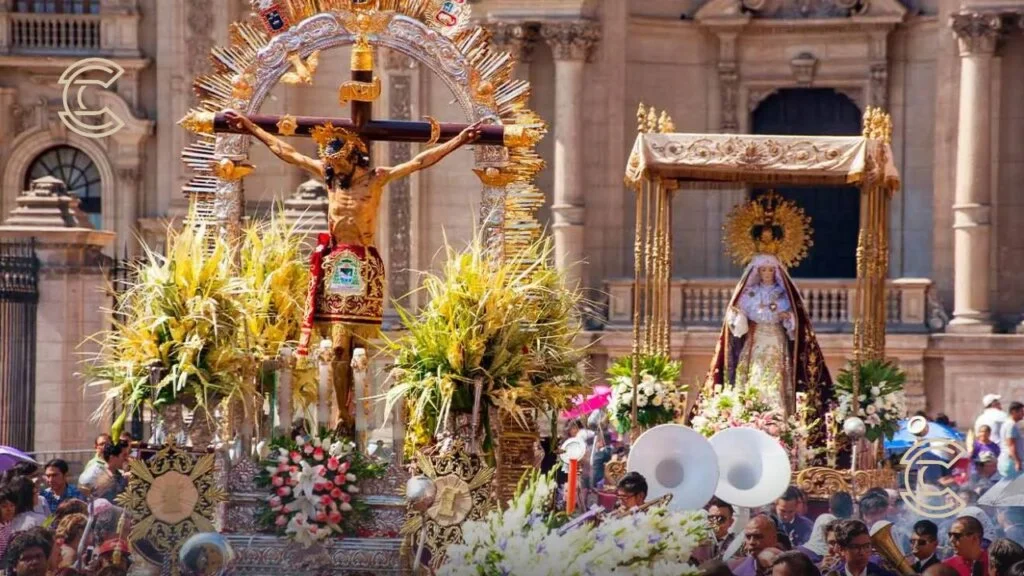
Participants wear traditional robes and carry large religious floats through narrow streets. These floats often feature detailed statues of biblical scenes.
Mexico
In Mexico, Semana Santa combines deep religious devotion with local traditions. Many communities perform live reenactments of the crucifixion.
One of the most famous events takes place in Iztapalapa, where thousands of people participate in a dramatic portrayal of the Passion of Christ.
Guatemala
Guatemala’s Holy Week is known for its stunning street decorations called alfombras.
These colorful carpets are made from dyed sawdust, flowers, fruits, and sand. Processions walk across them, creating a beautiful but temporary work of art.
Philippines
In the Philippines, Semana Santa is observed with strong religious devotion. Many people attend church services daily and participate in long processions.
Some communities hold reenactments that reflect the suffering of Jesus, emphasizing spiritual sacrifice.
Traditional Semana Santa Processions
Religious processions are one of the most recognizable elements of Semana Santa.
During these events, members of religious brotherhoods walk through the streets carrying statues of Jesus Christ or the Virgin Mary.
Participants may wear long robes and pointed hoods. Musicians often accompany the procession with drums and trumpets, creating a solemn atmosphere.
These processions can last for several hours and attract large crowds.
Food Traditions During Holy Week
Food traditions are also an important part of Semana Santa celebrations.
Because many Christians avoid meat during Lent and especially on Good Friday, fish dishes become popular during the week.
Salted cod, known as bacalao, is commonly served in Spain and Latin America.
Sweet desserts are also traditional. Torrijas, a dessert made with bread soaked in milk and honey, is a favorite during Holy Week in Spain.
Other treats such as buñuelos and sweet pastries are often shared during family gatherings.
Cultural and Social Importance
Semana Santa is not only a religious observance but also an important cultural tradition.
Communities spend months preparing decorations, costumes, and floats for the processions.
Families often travel long distances to reunite during this week. Many businesses close or operate with reduced hours so people can participate in the celebrations.
Tourism also increases significantly in cities known for their Holy Week traditions.
Preparing for Semana Santa
Preparation for Holy Week begins well before the actual week arrives.
Churches organize special programs during Lent to help believers prepare spiritually.
Religious groups rehearse processions and restore statues that will be used in parades.
Families also prepare by planning meals, attending confession, and setting aside time for prayer.
For many believers, this preparation helps them approach Semana Santa with a deeper sense of faith and reflection.
Modern Semana Santa Celebrations
While traditional practices remain strong, modern celebrations have also evolved.
Technology allows people to watch live broadcasts of major processions from anywhere in the world.
Social media platforms are filled with photos and videos of Holy Week events, allowing traditions to reach a global audience.
Despite these modern influences, the spiritual meaning of Semana Santa remains unchanged.
People Also Ask
When is Semana Santa 2025?
Semana Santa 2025 will take place from April 13 to April 20, ending with Easter Sunday.
What does Semana Santa mean?
Semana Santa means “Holy Week” in Spanish and refers to the week leading up to Easter.
Why do the dates change every year?
The dates change because Easter follows the lunar calendar and is celebrated after the first full moon following the spring equinox.
What is the most important day of Holy Week?
Good Friday is often considered the most solemn day because it marks the crucifixion of Jesus Christ.
Which country has the biggest Semana Santa celebrations?
Spain is widely known for hosting some of the most famous Semana Santa celebrations, especially in cities like Seville and Malaga.
Final Thoughts
Semana Santa 2025 will once again bring millions of people together in remembrance and celebration. From quiet moments of prayer to grand public processions, the week carries deep spiritual meaning.
It reminds believers of the sacrifice of Jesus Christ and the hope represented by his resurrection. Across different cultures and countries, the traditions may vary, but the message of faith and renewal remains the same.
Whether experienced through church services, cultural events, or family gatherings, Semana Santa continues to hold a powerful place in the Christian calendar and in the hearts of millions around the world.