
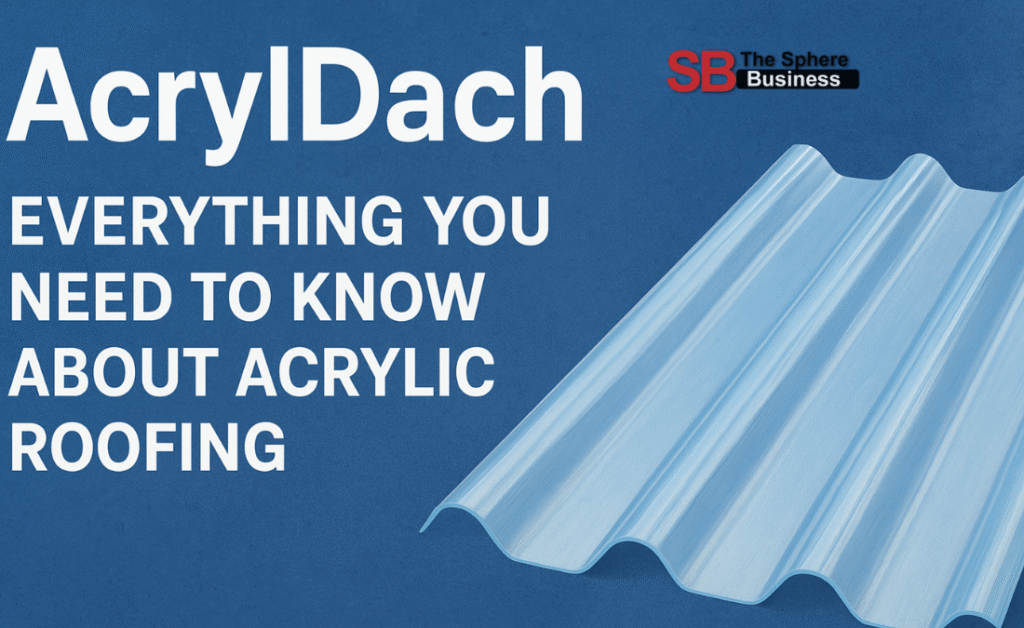

Introduction to AcrylDach
When it comes to modern roofing materials, AcrylDach — or acrylic roofing — stands out as one of the most versatile and durable solutions. Derived from high-quality acrylic sheets, an AcrylDach offers a transparent, weather-resistant, and lightweight roofing option suitable for both residential and commercial use. Whether for patios, greenhouses, carports, or verandas, this roofing material has gained massive popularity due to its aesthetic appeal and long-lasting performance.
In this article, we will explore what AcrylDach is, its benefits, applications, installation process, maintenance tips, and why it has become such a popular choice among homeowners and builders.
What Is AcrylDach?
AcrylDach literally translates to “acrylic roof” in German. It refers to roofing systems made from acrylic (also known as polymethyl methacrylate or PMMA), a transparent thermoplastic material known for its glass-like clarity and exceptional weather resistance. Unlike traditional roofing materials such as glass or polycarbonate, acrylic roofs are lighter, easier to handle, and more durable in the long run.
Acrylic sheets used in AcrylDach systems are often UV-resistant, ensuring that they do not yellow or degrade when exposed to sunlight over time. This makes them ideal for outdoor applications that require both light transmission and protection from the elements.
Benefits of AcrylDach
There are several advantages that make AcrylDach an excellent choice for modern roofing:
1. High Light Transmission
AcrylDach offers up to 92% light transmission, almost comparable to glass. This makes it perfect for spaces that require natural daylight, such as conservatories, greenhouses, and patio covers.
2. Weather Resistance
Acrylic roofing can withstand extreme weather conditions, including rain, snow, hail, and strong sunlight. Its UV resistance ensures that the material remains clear and intact for many years without discoloration.
3. Lightweight Yet Strong
Compared to glass, acrylic sheets are about 50% lighter while maintaining impressive strength. This makes installation easier and reduces the load on structural frameworks.
4. Durability
AcrylDach is impact-resistant and does not corrode or rust, which is particularly useful in humid or coastal areas.
5. Aesthetic Appeal
Acrylic roofing enhances the visual appearance of any space due to its sleek and modern look. It can also be tinted or colored for different design effects.
6. Easy Maintenance
Cleaning an AcrylDach is simple — just water, mild detergent, and a soft cloth. The smooth surface prevents dirt accumulation and makes it easy to maintain transparency.
Common Applications of AcrylDach
AcrylDach can be used in a wide range of architectural and domestic settings. Some of the most common applications include:
1. Patio Roofs and Pergolas
Homeowners often install acrylic roofs over patios and pergolas to create sheltered outdoor spaces that still allow plenty of light.
2. Carports
AcrylDach is ideal for carports, offering protection from the sun and rain while maintaining a modern, transparent appearance.
3. Greenhouses
Due to its high light transmission and UV stability, acrylic roofing is perfect for greenhouses, ensuring that plants receive adequate sunlight.
4. Verandas and Balconies
Acrylic roofing adds beauty and practicality to verandas and balconies, keeping them dry while allowing natural light to filter through.
5. Industrial and Commercial Buildings
Warehouses, walkways, and skylights often use AcrylDach panels to enhance energy efficiency and provide natural illumination.
Types of AcrylDac
There are several types of AcrylDach materials available on the market, each with distinct properties:
1. Solid Acrylic Sheets
These are clear, flat sheets that resemble glass. They provide excellent visibility and strength, making them ideal for transparent roofing applications.
2. Corrugated Acrylic Sheets
Corrugated designs improve structural strength and allow for efficient water drainage. They are commonly used for carports and industrial buildings.
3. Multiwall Acrylic Sheets
These sheets consist of multiple layers separated by air gaps, improving insulation and energy efficiency. They are suitable for greenhouses and conservatories.
4. Tinted or Colored Acrylic Sheets
For areas requiring heat reduction or added privacy, tinted acrylic sheets are an excellent option. They come in various shades such as bronze, grey, and opal white.
Installation Process of AcrylDach
Installing an AcrylDach requires proper planning and precision. Here’s an overview of the typical installation process:
Step 1: Measurement and Planning
Accurate measurement of the roofing area is crucial. The structure should be designed to allow proper water drainage and accommodate expansion of the acrylic material.
Step 2: Preparation of the Frame
The supporting frame can be made from aluminum, steel, or wood. Ensure that it is sturdy, level, and corrosion-resistant.
Step 3: Cutting the Acrylic Sheets
Acrylic sheets can be cut to size using a fine-tooth saw or laser cutter. Always leave a small gap between sheets to allow for thermal expansion.
Step 4: Fixing and Sealing
Sheets are fixed using screws with rubber washers or specialized clips. Edges are sealed with silicone or rubber gaskets to prevent leaks.
Step 5: Final Inspection
Once installed, check for gaps, cracks, or loose fittings. A well-installed AcrylDach should be watertight and visually seamless.
Maintenance Tips for AcrylDach
Proper care can extend the life of your AcrylDach for decades. Follow these tips to keep it in pristine condition:
- Clean regularly with mild soap and water to remove dirt and debris.
- Avoid abrasive materials such as steel wool or harsh chemicals that can scratch or damage the surface.
- Inspect seals and joints every few months to ensure there are no leaks.
- Remove snow buildup during winter to avoid unnecessary pressure on the roof.
- Use UV-protective coatings if the roof is exposed to direct sunlight for long periods.
AcrylDach vs. Polycarbonate Roofs
While both acrylic and polycarbonate roofs are popular, there are some differences between them:
| Feature | AcrylDach (Acrylic) | Polycarbonate |
|---|---|---|
| Clarity | Higher (up to 92%) | Slightly lower |
| Scratch Resistance | Better | Weaker |
| Impact Resistance | Good | Excellent |
| UV Resistance | Very good | Varies by coating |
| Cost | Moderate | Usually cheaper |
| Durability | Long-term clarity | May yellow over time |
In general, AcrylDach offers superior optical clarity and UV resistance, making it more suitable for areas where aesthetics and long-term transparency are essential.
Environmental Impact of AcrylDach
Sustainability is an important consideration in modern construction. The AcrylDach material is recyclable and has a relatively low environmental footprint compared to traditional materials like glass. Many manufacturers also produce acrylic sheets using partially recycled content. Additionally, because it allows natural light into buildings, it reduces the need for artificial lighting, saving energy and lowering electricity costs.
Cost Considerations of AcrylDach
The cost of an AcrylDach varies depending on the type, thickness, and installation complexity. Generally, acrylic sheets range from $20 to $50 per square meter, with additional expenses for framing and installation. While it might seem more expensive than polycarbonate or metal roofs, its longevity and visual benefits often make it a worthwhile investment.
Conclusion: Why Choose AcrylDach?
In conclusion, AcrylDach represents a perfect blend of beauty, durability, and practicality. Its ability to transmit light, resist harsh weather, and maintain its clarity over time makes it one of the best roofing materials available today. Whether you’re designing a cozy patio, a functional greenhouse, or a stylish carport, an acrylic roof can enhance both the look and comfort of your space.
If you’re seeking a roofing solution that combines long-lasting performance with modern aesthetics, AcrylDach is undoubtedly a smart choice. With proper installation and care, it can serve you efficiently for decades — brightening your space while standing strong against the elements.