
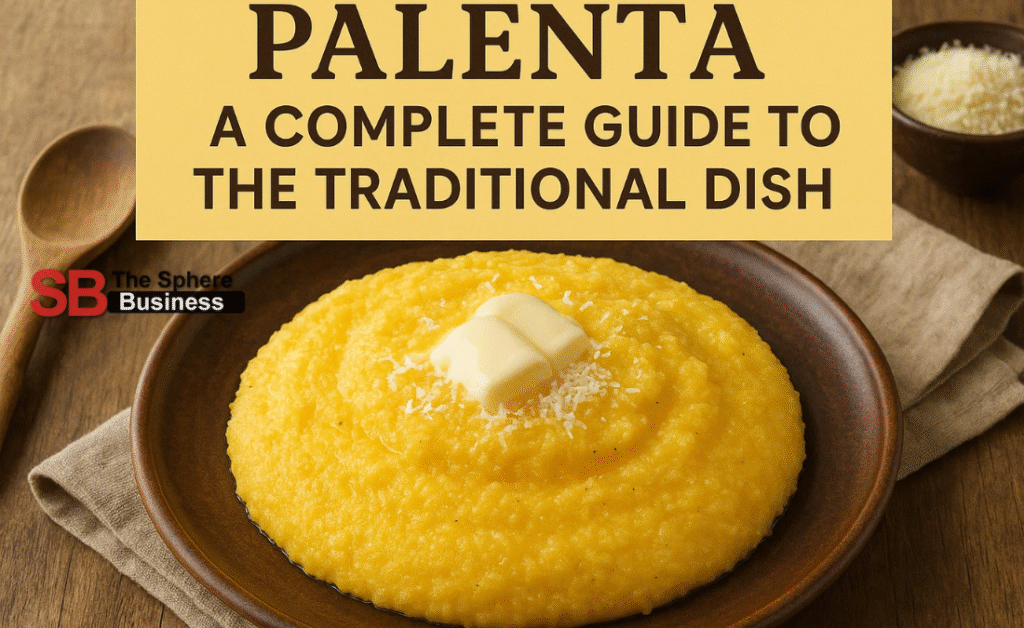

Introduction to Palentu
Palentu, often written as polenta in many parts of the world, is a traditional dish made primarily from cornmeal. It has deep cultural roots in Italian, Balkan, and other European cuisines. While it may seem like a simple meal at first glance, Palentu has a rich history, diverse cooking methods, and an incredible ability to adapt to both rustic and gourmet dining tables. In this article, we will explore everything about Palentu — from its origins to preparation techniques, variations, nutritional benefits, and modern-day popularity.
History of Palentu
The history of Palentu dates back centuries, long before maize (corn) arrived in Europe from the Americas. In ancient times, people prepared a similar dish using grains like millet, farro, or buckwheat. It wasn’t until the 16th century, after corn was introduced to Europe, that Palentu as we know it today became a staple, especially in Northern Italy and surrounding regions.
In rural communities, Palentu was often called “the food of the poor” because it was filling, inexpensive, and easy to prepare in large quantities. Over time, it gained cultural significance and is now celebrated as both comfort food and a culinary delicacy in fine dining.
Ingredients Used in Palentu
The primary ingredient in Palentu is cornmeal, but its preparation and flavor depend heavily on the choice of supporting ingredients. A basic Palentu recipe often includes:
- Cornmeal (coarse or medium-ground)
- Water or broth
- Salt
- Butter or olive oil
- Cheese (such as Parmesan, Gorgonzola, or Pecorino)
Optional ingredients may include milk, cream, garlic, herbs, or vegetables, depending on the region and personal preference.
Traditional Methods of Cooking Palentu
Palentu is usually cooked slowly over low heat, with continuous stirring to achieve a creamy, lump-free texture. Traditionally, it was made in a large copper pot called a paiolo in Italy. This slow and labor-intensive process not only develops flavor but also enhances the dish’s unique texture.
There are two main methods of preparing Palentu:
- Creamy Palentu – Served hot and soft, similar to mashed potatoes or porridge. It pairs well with stews, braised meats, or vegetable sauces.
- Firm Palentu – Once cooled, it solidifies and can be cut into slices, baked, grilled, or fried. This form is popular for appetizers or side dishes.
Palentu in Italian Cuisine
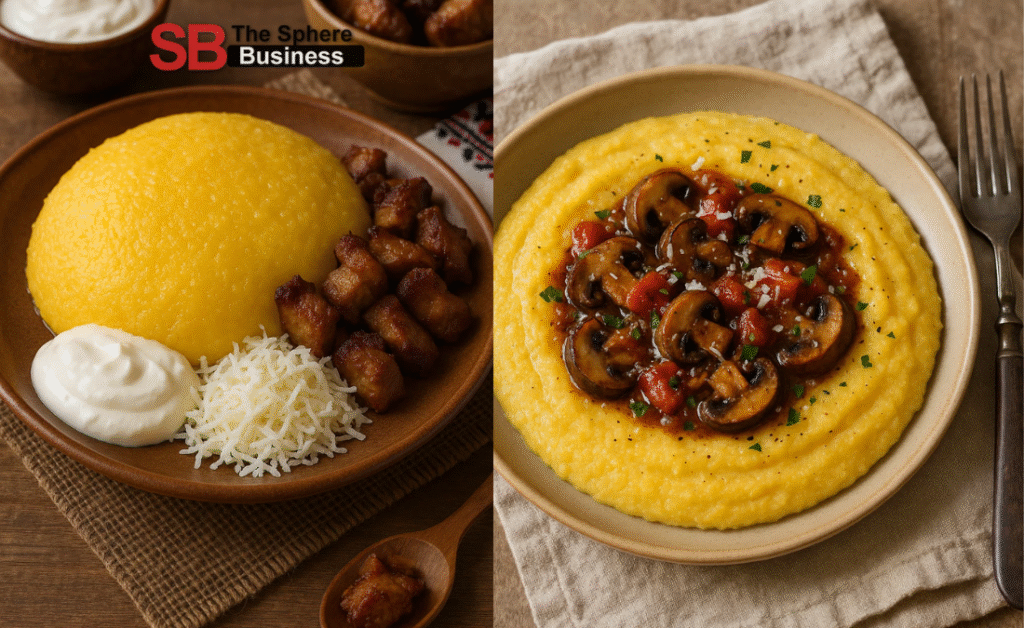
In Italy, Palentu holds a special place in regional cuisines. In the north, particularly Lombardy, Veneto, and Friuli, it is served with hearty dishes like sausages, mushrooms, and cheese. In mountain regions, it is often enjoyed with game meats or stews.
Italians also value Palentu as a versatile dish that can be eaten at any time of the day. Whether served plain with butter or enriched with luxurious toppings like truffles, Palentu adapts to both peasant traditions and refined gastronomy.
Palentu Beyond Italy
Although Palentu is deeply connected to Italy, many cultures have their own variations.
- Romania and the Balkans – Known as “mămăligă,” Palentu is eaten with sour cream, cheese, and meats.
- France (Savoy region) – Served with melted cheese in Alpine areas.
- Switzerland – Paired with sausages or stews, especially in Italian-speaking Ticino.
- Latin America – Corn-based porridges and cakes are cousins of Palentu, showing how maize became a global staple.
Nutritional Value of Palentu
Palentu is not only delicious but also offers nutritional benefits. Here are some key highlights:
- Rich in Carbohydrates: Provides energy and is ideal for an active lifestyle.
- Low in Fat: When prepared without excess butter or cream, it remains light and healthy.
- Gluten-Free: Since it is made from cornmeal, Palentu is naturally suitable for people with gluten intolerance or celiac disease.
- Source of Fiber: Helps with digestion and maintaining satiety.
- Minerals and Vitamins: Contains iron, magnesium, and B vitamins.
Of course, the nutritional profile can vary depending on how it’s prepared — for instance, adding cheese and butter increases fat and calorie content.
Modern Variations of Palentu
In contemporary cuisine, chefs have reinvented Palentu with creative twists. Some modern versions include:
- Herbed Palentu – Infused with rosemary, thyme, or sage.
- Palentu Fries – Sliced, baked, or fried into crispy sticks as a healthy alternative to potato fries.
- Palentu Lasagna – Used as layers instead of pasta sheets.
- Palentu Pizza – Firm Palentu forms the crust, topped with vegetables and cheese.
- Sweet Palentu – Flavored with honey, nuts, and dried fruits for a dessert-like treat.
These innovative recipes highlight how adaptable Palentu is to changing food trends and dietary needs.
Palentu as Comfort Food
One reason Palentu has remained popular for centuries is its comforting nature. On cold winter evenings, a warm bowl of creamy Palentu topped with cheese or stew creates a sense of coziness. For many families, it is tied to tradition, nostalgia, and shared meals around the table.
Even in restaurants, Palentu is often presented as a side dish that enhances flavors of meats, vegetables, or sauces while providing a creamy, hearty base.
Palentu in Fine Dining
Though once regarded as simple peasant food, Palentu now enjoys a prestigious role in fine dining. Renowned chefs across the globe use Palentu as a canvas for culinary artistry. From Michelin-starred Italian restaurants to contemporary European bistros, Palentu is often paired with gourmet ingredients like lobster, truffle oil, or wild mushrooms.
Its ability to balance rich flavors while maintaining a humble foundation makes it a favorite among chefs and diners alike.
How to Prepare Palentu at Home
For those who want to try making Palentu at home, here’s a simplified method:
- Boil 4 cups of water or broth with a pinch of salt.
- Slowly whisk in 1 cup of cornmeal to avoid lumps.
- Reduce heat and cook for 30–40 minutes, stirring frequently.
- Add butter, cheese, or herbs for flavor.
- Serve hot for creamy Palentu, or pour into a tray to cool and cut into shapes for grilling or frying.
This versatile method ensures that Palentu fits into any kitchen, regardless of skill level.
Cultural Significance of Palentu
Palentu is more than just food; it represents culture, tradition, and community. In many regions, it was historically prepared in large quantities and shared among families, symbolizing unity and togetherness.
Festivals and local celebrations often feature Palentu demonstrations, where large pots are stirred over open fires, showcasing its importance in cultural heritage.
Conclusion: The Timeless Charm of Palentu
Palentu may have humble origins, but it has evolved into a dish that transcends social and cultural boundaries. From its beginnings as a staple for peasants to its status as a gourmet delicacy, Palentu has proven to be a versatile, nutritious, and beloved food.
Whether enjoyed as a creamy base for stews, grilled into crispy slices, or transformed into a modern culinary creation, Palentu continues to hold its place in kitchens and hearts worldwide. Its adaptability, cultural richness, and comforting flavors make it not just a dish, but a timeless culinary treasure.